An adult membership at the Lawrence Park Tennis Club currently runs $185 plus HST. The waitlist to get one runs eight to ten years.
That gap is the interesting part. This is not a story about money buying access, because the money required is almost nothing by Lawrence Park standards. It is a story about a neighborhood that decided, a long time ago, how big its shared spaces were allowed to get, and then never revisited the decision. The tennis club still has three clay courts. The library still has one branch. The ravine trails still follow the lines a landscape architect drew before the Depression. If you live here, you already sense this rhythm without naming it. Naming it changes how you plan your week.
The waitlist was never about price
The club at 51 Alexander Muir Road carries about 400 adult memberships and 171 junior memberships, numbers that have stayed roughly fixed while the neighborhood around them kept building bigger houses on bigger lots. Members currently on the list are told plainly not to expect an opening for the coming summer, because eight to ten years is the going wait. Residency inside Toronto moves you up the list ahead of non-residents, but it does not move the list itself any faster, since a spot only opens when an existing member leaves.
What you get once you're in is a specific, small-scale culture rather than a generic amenity. The all-white dress code is still enforced as a long-standing club tradition. Early Birds runs drop-in doubles Tuesdays and Fridays from 8 to 10 a.m. with no registration needed, players rotating out every four games. Starting in June, Wednesday evenings bring members down after dinner for pickup play from 7 p.m. on, a tradition that's still running as of this August. Club tournaments in singles, doubles, and mixed doubles by level, A, B, and C, land in September, with sign-up details circulated through the club's own newsletter, Between the Lines. None of this requires the club to grow. It requires the opposite: a fixed footprint that gets reused on a fixed schedule, year after year.
The Granite Club on Bayview Avenue, where a meaningful share of Lawrence Park residents also hold memberships, runs on the same logic a few blocks over. These are not amenities the market can simply supply more of when demand rises. They are capped by design, and the cap is the point.
One library, built once
The George H. Locke branch of the Toronto Public Library sits directly across from Lawrence subway station, reachable also by the 52, 97, 124, and 162 bus routes, with a small free parking lot off Lawrence Avenue East. It opened on January 5, 1949, named for the library system's chief librarian from 1908 to 1937, and it holds a specific distinction: it was the first public building ever constructed in Lawrence Park. Before 1949, the neighborhood Dinnick's company began assembling in 1907 had houses, gardens, and boulevards, but no civic building of its own.
The branch's design mixes clean modern lines with bow windows and rough-finished stone, a pairing meant to let it sit comfortably beside its park setting and the housing stock around it rather than compete with either. A renovation completed in 2025 refreshed shelving, seating, and the children's and teen areas and added accessibility updates, while keeping those heritage elements intact rather than expanding the building's footprint. The Toronto Public Library system now runs close to 100 branches citywide. Lawrence Park has needed exactly one since the year the branch opened.
The ravines were drawn once, too
Lawrence Park was one of Toronto's first planned garden suburbs, assembled starting in 1907 under Wilfred Servington Dinnick, with much of the original landscape architecture for its boulevards and parks handled by Howard and Lorrie Dunington-Grubb, the couple who later founded Sheridan Nurseries. The ravine that still marks the neighborhood's southern edge today, Blythwood Ravine, is the same feature used to define that boundary from the start.
The connected green space carries the city's own park designation as Lawrence Park Ravine, and it behaves less like a destination and more like a quiet entry point locals use on the way to somewhere bigger. It links north toward Sunnybrook Park without its own footprint ever expanding to match. Regulars describe it as a clean, quiet escape from the noise of Yonge Street, good for a dog walk or a short break, though there's no drinking fountain along the way, so bring your own water.
Two entry points do the job: a small parking lot off Lawrence Avenue East, and street parking near the corner of Bayview Avenue and Blythwood Road. Between them, the trail climbs only about 30 metres in elevation, gentle enough to make it a habit rather than an event. For an August evening, a realistic version of the walk looks like this:
- Park at the lot off Lawrence Avenue East, or find street parking near Bayview and Blythwood.
- Follow the ravine trail into tree cover, where the modest elevation change is enough to drop the temperature a few degrees.
- Continue north toward Sunnybrook Park to extend the walk, or loop back for a shorter version.
- Skip the water fountain, because there isn't one. Bring a bottle.
None of this trail has been widened or rerouted to handle more traffic as the neighborhood's home values climbed. It is substantially the same ravine the Dunington-Grubbs folded into the original suburb plan, still doing the same job.
A neighborhood designed not to grow
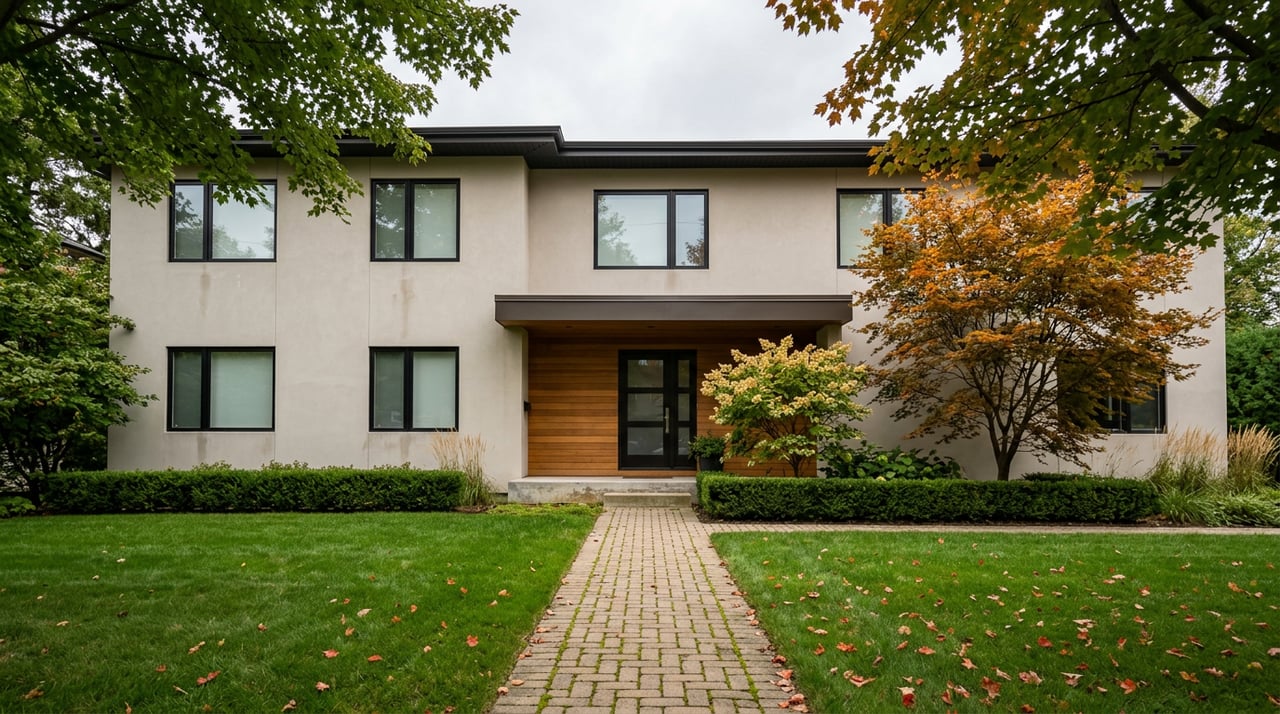
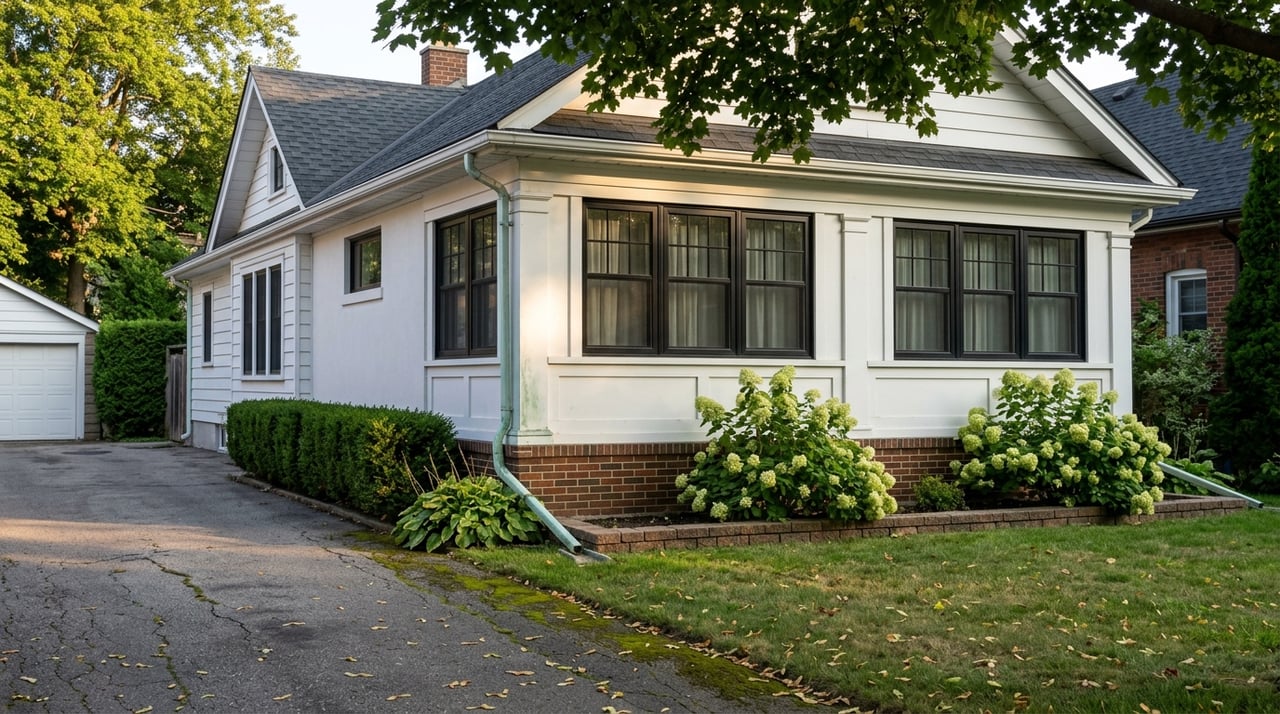
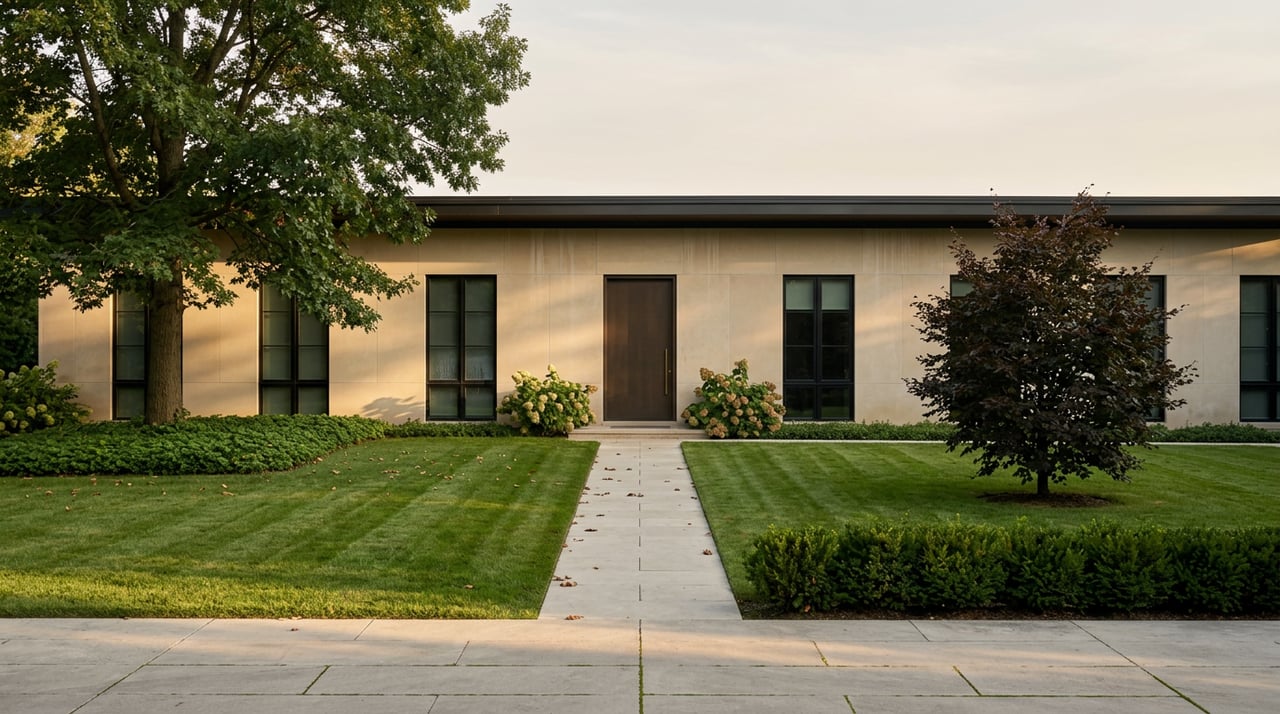
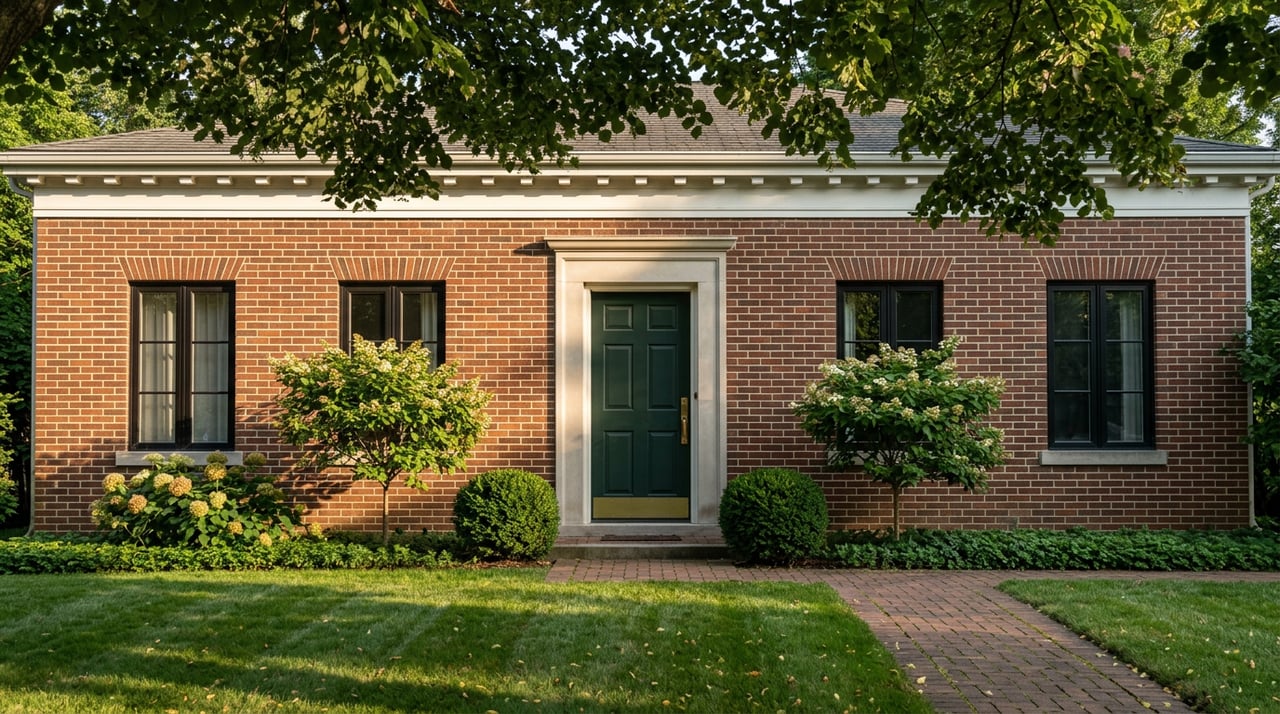
The company that built Lawrence Park marketed it from the start as a suburb for the well-to-do, set above the lake and away from its winter winds, with shops, schools, and recreation deliberately pushed to the neighborhood's edges so the interior streets stayed quiet. Home construction was interrupted by two world wars, a recession, and a depression before the neighborhood was finally finished in the 1950s. The Lawrence Park Ratepayers Association has spent the decades since then doing one job: preserving that original residential character rather than opening the door to more of anything.
That is the throughline connecting a tennis club that still has three courts, a library that's never needed a second branch, and a ravine trail system still following a century-old plan. None of it grew because none of it was meant to. The eight-to-ten-year wait for a $185 tennis membership isn't a sign that something's broken. It's the clearest evidence left that the neighborhood is still working exactly as designed, one fixed, unhurried institution at a time.
If you're weighing a move within Lawrence Park, curious what a specific street or lot is actually worth in today's market, or just want a conversation with someone who knows which side of Blythwood Ravine gets the better light in the evening, Adam Weiner + Associates would be glad to talk it through. Request a concierge consultation whenever you're ready.