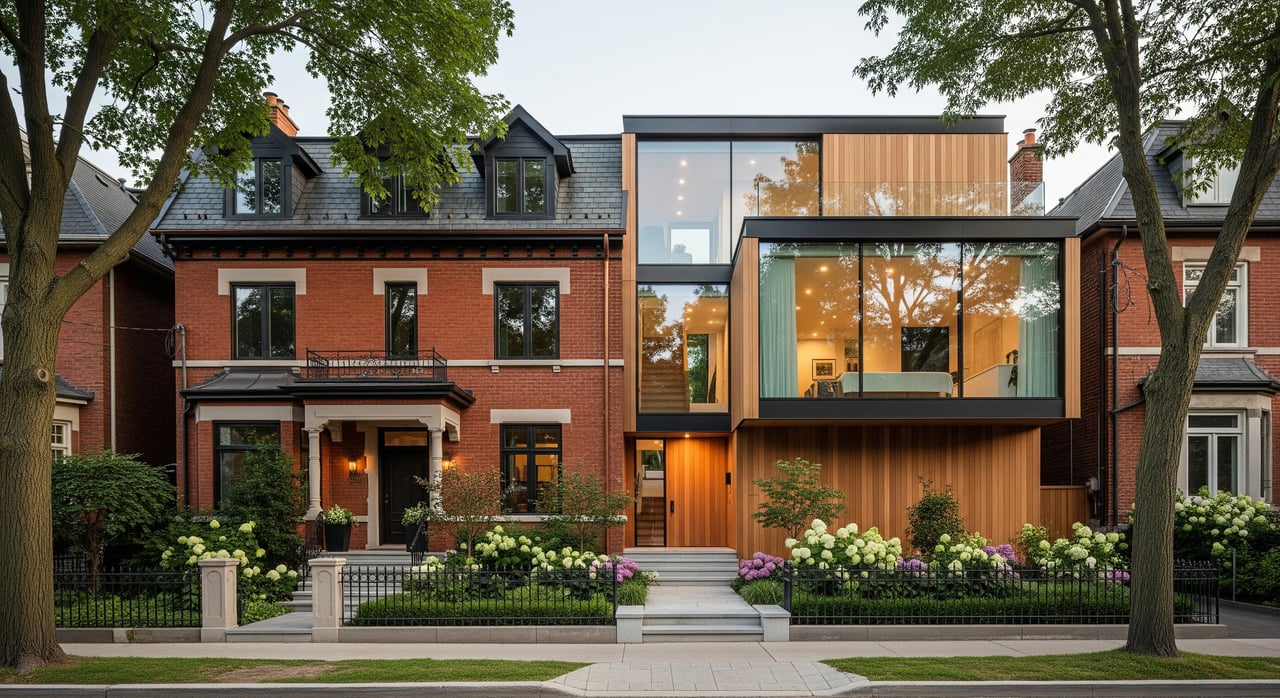
Thinking about selling your Cricket Club home and wondering which upgrades are worth it? You want strong offers without stripping away the character that makes your place special. With a few targeted, period-sensitive updates, you can boost buyer appeal, reduce objections, and shorten time on market. This guide walks you through what buyers expect in Cricket Club, where to invest, typical Toronto budgets, permits and heritage notes, and how to market your results for maximum payoff. Let’s dive in.
What buyers want in Cricket Club
Cricket Club’s housing stock is rich with 1920s–1940s details like hardwood floors, plaster walls, crown moldings, fireplaces, and front porches. Buyers value that character. At the same time, they expect modern kitchens and baths, dependable mechanicals, and a practical entry or mudroom for family living.
Renovations that keep the period feel while adding function tend to outperform purely contemporary remodels. Your goal is to preserve or echo original details and deliver everyday usability.
Renovations that add value
Kitchen updates that respect character
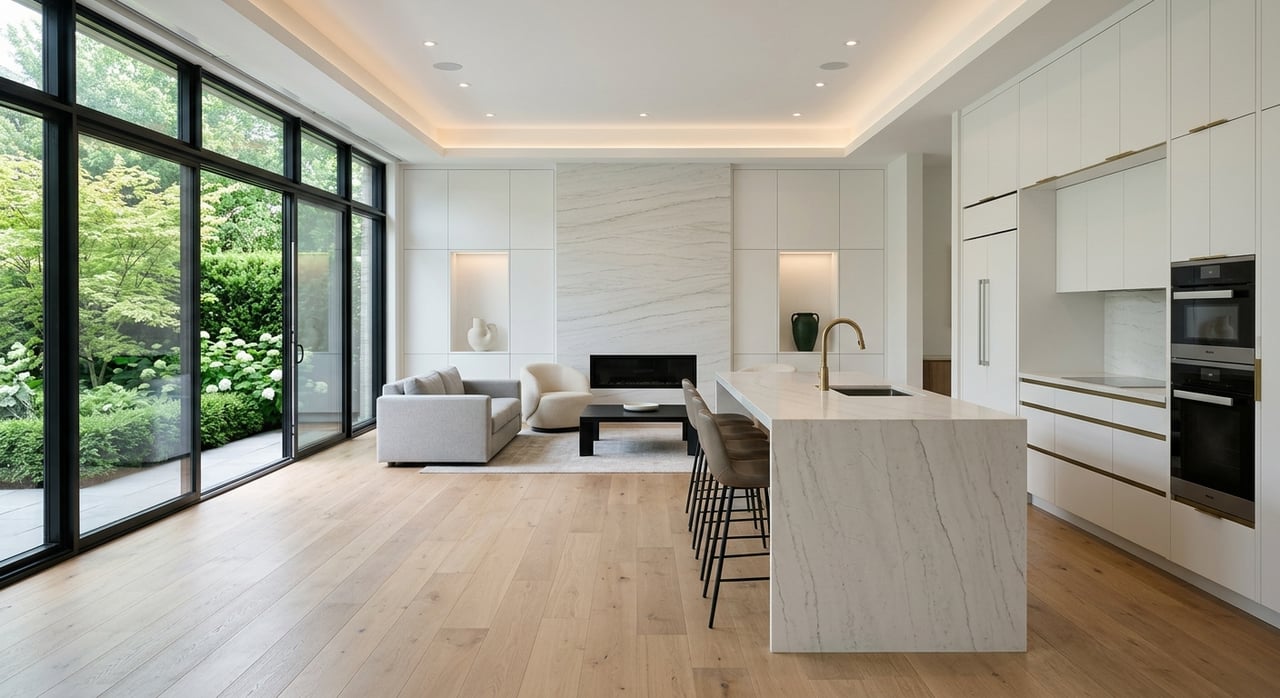
A sensitively updated kitchen is often the strongest value driver. Aim for classic elements that suit the era and photograph beautifully.
- Design cues: shaker or inset cabinetry, simple trim, warm painted or wood finishes, subway tile, brass or black hardware, wood or stone counters. Preserve sightlines to original features and repair hardwood where possible.
- Function: add prep space and storage, choose modern but appropriately scaled appliances, and improve task and ambient lighting.
- Typical Toronto budgets (CAD):
- Cosmetic refresh (paint/reface, counters, appliances, fixtures): about $15,000–$35,000.
- Mid‑range remodel (new cabinets, counters, lighting, flooring): about $40,000–$80,000.
- Full gut with layout changes: about $80,000–$150,000+.
- Seller tip: Well-executed, period-appropriate kitchens often recover a substantial share of cost at resale. Avoid over-customized luxury finishes that exceed neighborhood expectations.
Bathrooms buyers love
Keep the footprint efficient and highlight classic details. Bright, clean, and timeless wins.
- Design cues: hex or subway tile, pedestal or period-style vanities, polished nickel or bronze fixtures, and modest trim. If families are your target, keep at least one bathtub.
- Function: good ventilation, modern fixtures, and reliable plumbing. Refinish a solid original tub and tile where feasible.
- Typical Toronto budgets (CAD):
- Cosmetic update: about $8,000–$15,000.
- Mid‑range refresh: about $15,000–$35,000.
- Full gut: about $35,000–$60,000+.
- Seller tip: Small, bright bathrooms with classic tile and good lighting feel high value to buyers.
Mudroom and entry function
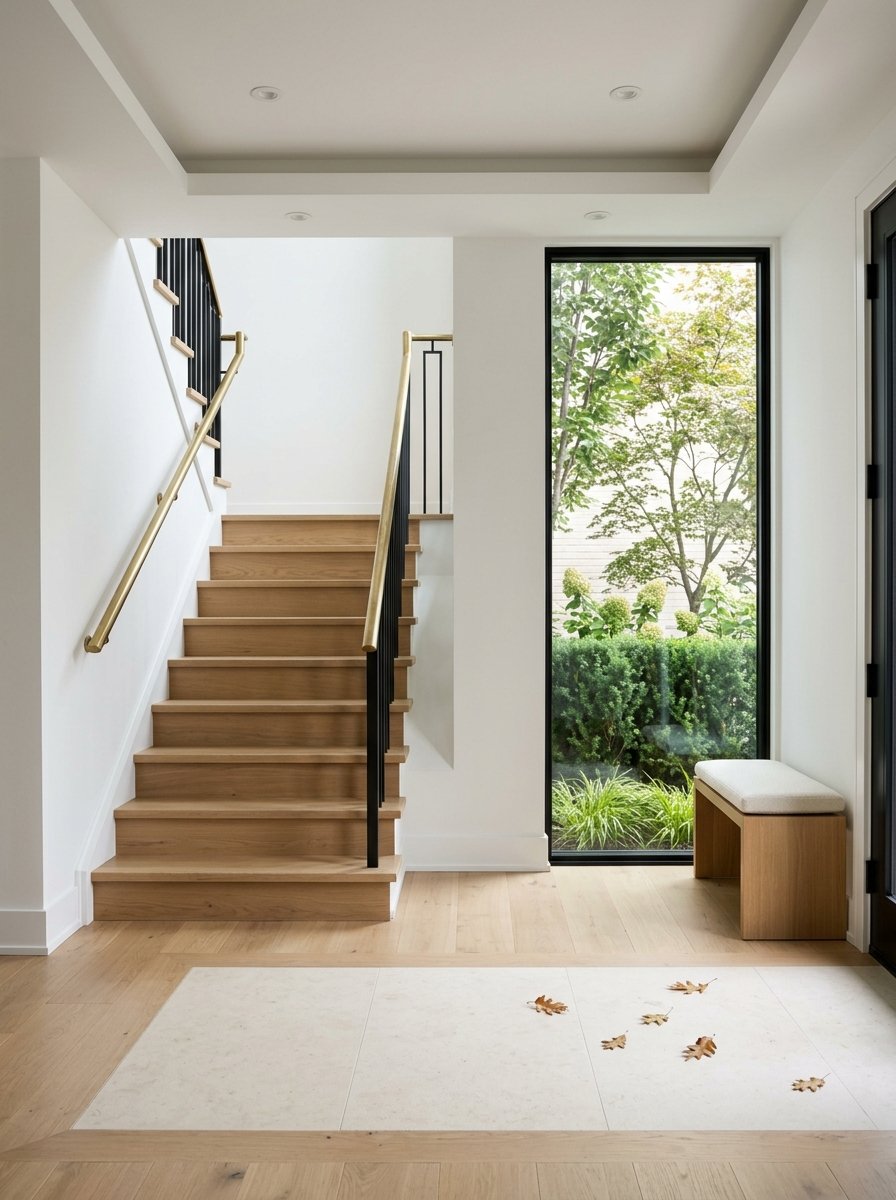
Urban families prize organized entries that handle coats, boots, sports gear, and pets without clutter.
- Design cues: beadboard, built‑in benches and cubbies, durable tile or engineered flooring, hooks, and closed storage. Keep new partitions in scale with original rooms.
- Typical Toronto budgets (CAD): about $5,000–$20,000 depending on built‑ins, flooring, and whether a small addition is involved.
- Seller tip: A modest mudroom upgrade can noticeably improve livability and marketability.
Exterior refresh and curb appeal
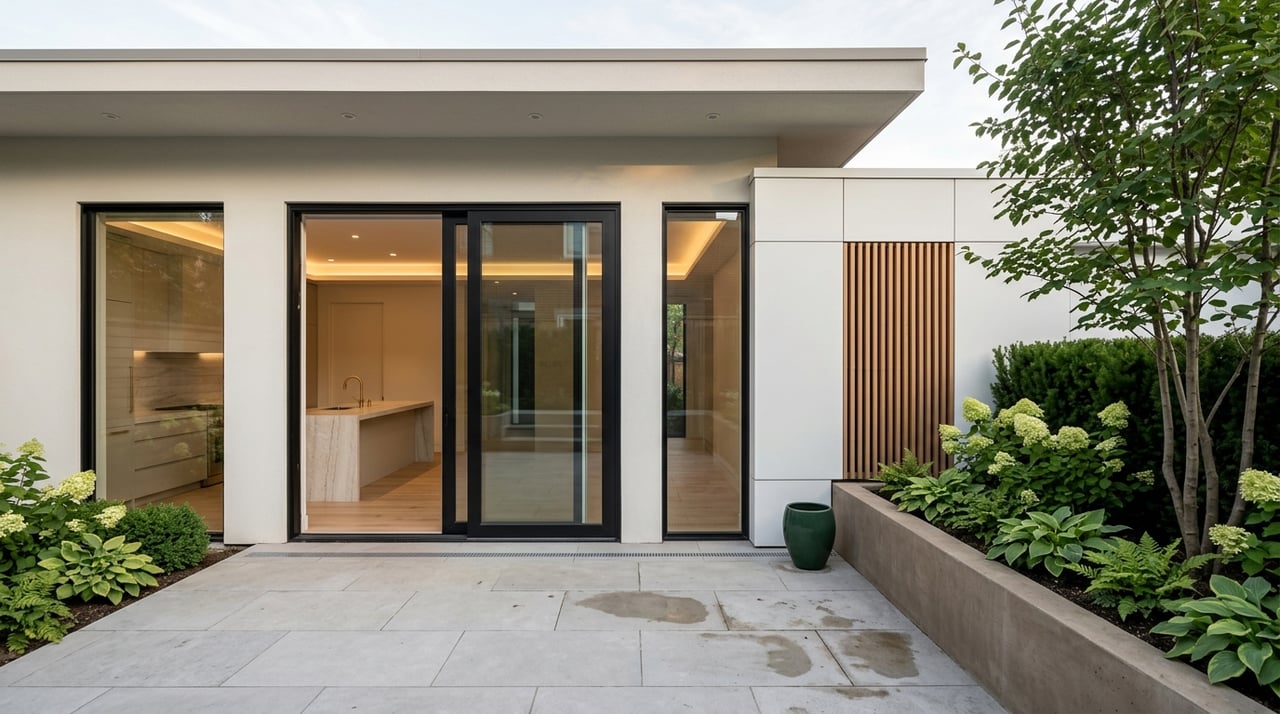
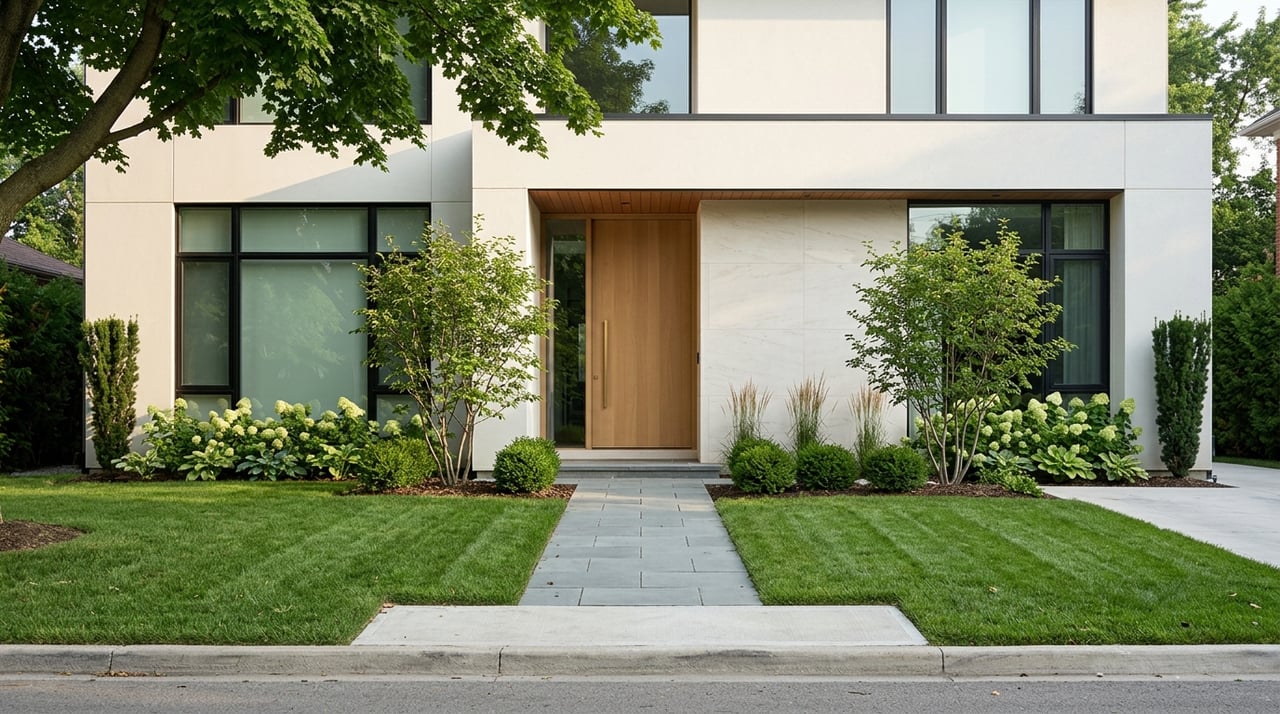
First impressions matter. Focus on restoration and a historically appropriate palette.
- Projects: clean and repoint masonry; repair and repaint trim; restore porch flooring, columns, and rails; add period‑appropriate lighting and house numbers; replace or restore windows with heritage‑style profiles.
- Typical Toronto budgets (CAD):
- Paint and trim repair: $5,000–$15,000.
- Masonry repointing/repair: $3,000–$20,000.
- Porch restoration: $8,000–$30,000.
- Window replacement (heritage style): roughly $1,000–$2,000+ per window.
- Roof replacement (as needed): $8,000–$20,000.
- Seller tip: A period‑consistent exterior often shortens days on market and elevates perceived value.
Light‑touch modernization of systems
These upgrades may be invisible in photos but can strengthen offers by reducing buyer risk.
- Priorities: upgrade electrical panel and address knob‑and‑tube, modernize HVAC (efficient furnace and add AC if missing), update plumbing where needed, improve attic insulation and air sealing, and handle basement water management.
- Typical Toronto costs (CAD): electrical panel $1,500–$4,000; furnace $4,000–$8,000; central AC $3,500–$8,000; insulation/air sealing $2,000–$10,000; plumbing re‑pipe varies.
- Seller tip: Provide receipts, permits, and warranties. Buyers respond well to documented mechanical reliability.
Budgets and ROI in the Toronto context
Kitchens and bathrooms generally deliver the strongest resale appeal. Exact ROI depends on scope and market timing, but modest, well-executed updates aligned with buyer expectations often outperform expensive bespoke renovations on a percentage basis.
Control costs by prioritizing visible, buyer‑facing items, addressing mechanical red flags, and avoiding structural changes unless they clearly add value. Always obtain 2–3 written quotes and check references.
Permits and heritage: Toronto essentials
Older homes in Cricket Club can involve permits and, in some cases, heritage considerations. Plan ahead so paperwork does not delay your listing.
- When permits are common: additions, structural changes, basement finishing for occupancy, changing window or door openings, major plumbing or HVAC changes, and taller decks.
- Electrical and plumbing: major work must be done by licensed trades and may require inspections.
- Heritage: some properties or streets may appear on the City’s heritage register or fall within a Heritage Conservation District. Exterior changes, and sometimes interiors, can require heritage approvals and must meet conservation guidelines.
- Practical steps:
- Confirm permit needs with the City of Toronto and call 311 for guidance on your specific scope.
- Check a property’s heritage status or consult Heritage Preservation Services before exterior alterations.
- Hire licensed trades and keep all permits, inspection records, and warranties for buyers.
- Build extra time into your schedule, as permits can add weeks.
Staging and marketing to maximize payoff
Staging and strong marketing help buyers see themselves in your home and spotlight the restored period details they expect in Cricket Club.
- Typical pre‑listing services and costs (CAD):
- Professional photography: $200–$500.
- Floor plans and virtual tours: $150–$500 combined.
- Staging: consultation $200–$500; partial staging $1,000–$3,000; full staging $3,000–$8,000+ depending on scope and rental length.
- Minor repairs, paint, and decluttering: $1,000–$5,000 typical.
- Staging tips for period homes: keep furnishings subtle to highlight moldings, fireplaces, and built‑ins; avoid overly modern pieces that hide character; layer lighting to show ceiling height and trim; stage the mudroom or entry to demonstrate function.
- Marketing note: Provide a brief “what was done” renovation summary with permits and contractor info in your disclosure package to build buyer confidence.
Your pre‑listing timeline
A smooth sale comes from finishing early and letting the marketing shine. Work backward from your ideal list date.
- Define goals: align updates with what Cricket Club buyers expect. Use a comparative market analysis to set priorities.
- Scope and bids: get 2–3 quotes per trade and confirm permit and heritage needs before work starts.
- Execute work: address mechanicals first, then kitchens/baths, mudroom, and exterior refresh.
- Finish early: complete all work several weeks before listing to allow for staging, photography, and documentation.
- Prepare your file: assemble permits, inspection records, receipts, warranties, and a concise renovation summary for showings.
Pre‑listing checklist
- Obtain a CMA and a renovation priority list from a trusted local agent.
- Secure 2–3 written quotes for each priority project.
- Confirm permit and heritage requirements with the City of Toronto; call 311 for specifics.
- Use licensed trades and collect permits, inspections, receipts, and warranties.
- Restore or retain period details where feasible (trim, floors, fireplaces).
- Complete cosmetic painting, repairs, decluttering, staging, and professional photos.
- Create a one‑page summary of upgrades and documentation for buyers.
When a full renovation is not necessary
You may not need a full gut to sell well. Focus on clear buyer wins: a bright kitchen refresh, a clean classic bath, a functional entry, corrected mechanical issues, and strong curb appeal. Remove obvious objections and let the home’s character come through.
Ready to prioritize your list?
If you want a tailored plan for your Cricket Club home, including which upgrades will matter most at today’s price points and how to present them, we can help. Reach out to Adam Weiner + Associates to request a concierge consultation.
FAQs
What renovations add the most value in Cricket Club?
- Kitchens and bathrooms updated in a period‑appropriate style, a practical mudroom or entry, a curb‑appeal refresh, and documented mechanical upgrades tend to have the strongest buyer impact.
How much should I budget for a Cricket Club kitchen remodel?
- In Toronto, expect about $15,000–$35,000 for a cosmetic refresh, $40,000–$80,000 for a mid‑range remodel, and $80,000–$150,000+ for a full gut and layout change.
Do I need a building permit for updates in Toronto?
- Permits are typically required for structural changes, additions, major plumbing or HVAC work, changes to window or door openings, and most basement finishing; confirm your scope with the City or call 311.
Are heritage approvals required for Cricket Club homes?
- If your property is designated or within a Heritage Conservation District, exterior changes and sometimes interiors may need heritage approvals; check status with Heritage Preservation Services before starting.
Should I replace or restore windows before selling?
- High‑quality heritage‑style replacements can work, but restoration often preserves character and can be cost‑effective; match original profiles and proportions either way.
When should renovations be finished before listing in Toronto?
- Finish at least several weeks before your list date to allow for staging, professional photography, and assembling permits, receipts, and warranties for buyers.