Should you start in a Davisville condo or stretch for a house? If you are a young professional eyeing Midtown living, the choice can feel like a trade between space and budget. You want smart numbers, a clear picture of carrying costs, and a sense of how each option fits your daily life and long-term goals. In this guide, you will see real entry-price ranges, side-by-side monthly examples, lifestyle pros and cons, and a simple decision checklist tailored to Davisville. Let’s dive in.
Davisville market snapshot
Davisville blends mature low-rise streets with a strong condo presence near Yonge and Mount Pleasant. Across the GTA, the average selling price in January 2026 was $973,289, with condo apartments averaging about $604,759, according to TRREB’s January 2026 Market Watch. In Davisville specifically, one-bedroom and 1+den condos commonly list in the roughly $550,000 to $750,000 range. By contrast, freehold semis and townhouses in the neighbourhood often trade from about $1.0M to $1.6M, and detached homes regularly start near $1.6M and can exceed $3M depending on lot, street, and renovations.
What this means for you: entry into Davisville for a single buyer usually starts with a condo. Freeholds remain attainable for some buyers, but they typically require materially more capital and higher monthly carrying costs.
What your dollars buy
Entry condo snapshot
If you target a one-bedroom or 1+den condo in Davisville, recent listings indicate a $550,000 to $750,000 range is typical. Monthly condo fees for many one-bedroom units commonly run about $470 to $650, depending on building age, amenities, and utility inclusions. Fees that bundle more services or face higher insurance and utility costs tend to sit at the higher end of the range.
What you gain: a Midtown address near transit, simpler maintenance, and amenities that can match a busy work schedule. What you trade: private outdoor space, maximum renovation freedom, and the risk that fees can rise or special assessments may occur if a building’s reserve fund falls short.
Entry freehold snapshot
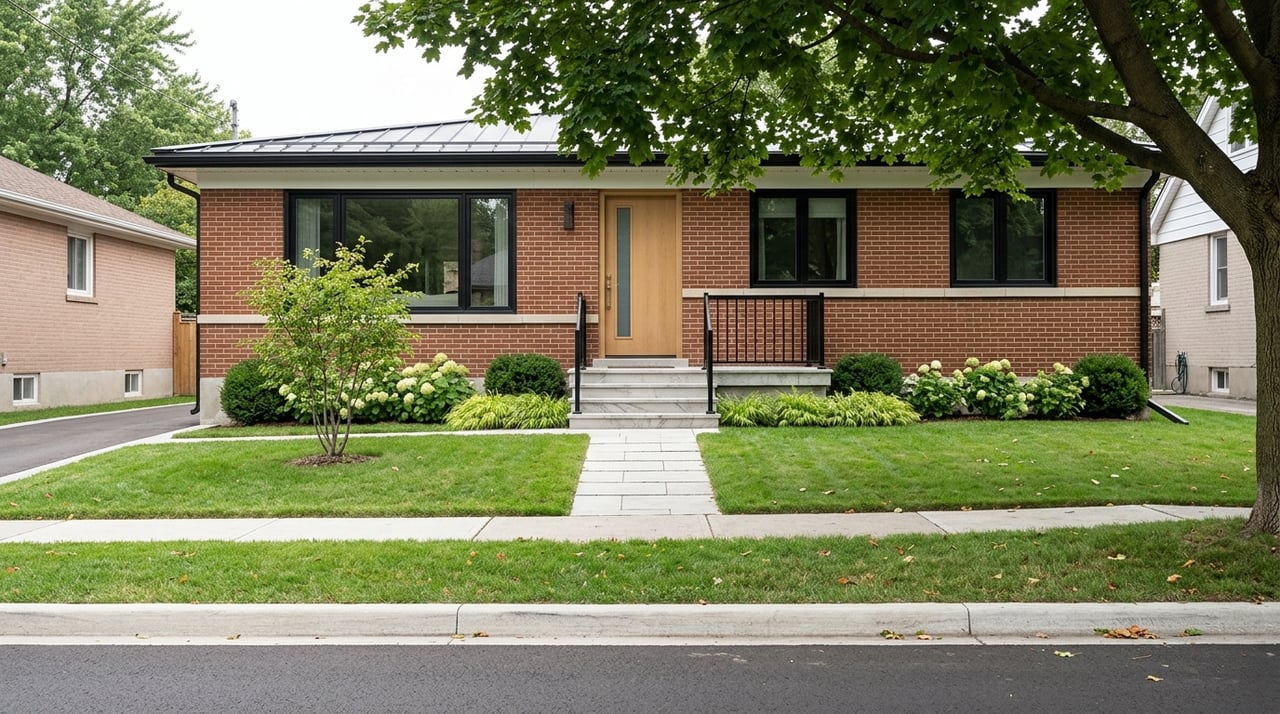
For a Davisville semi or smaller detached home, many sales fall between about $1.0M and $1.6M for semis and townhouses, with detached homes often starting around $1.6M and extending to $3M or more. You get more interior space and a yard, plus maximum control over renovations and long-term improvements. You also take on all exterior and structural upkeep without the support of a condo corporation.
Key tradeoff: space and autonomy often come with a higher upfront price and notably higher ongoing monthly costs.
Upfront and monthly costs
Closing costs in Toronto
Toronto buyers pay both the Ontario Land Transfer Tax and the Toronto Municipal Land Transfer Tax. Combined LTT on a $750,000 Toronto condo typically falls around the $20,000 to $25,000 range, depending on brackets and any first-time buyer rebates. For precise numbers on the municipal component, use the City of Toronto’s MLTT calculator. Plan for legal fees, title insurance, an appraisal if required, and usual adjustments at closing.
Monthly examples
Below are two illustrative Davisville scenarios using round assumptions to show scale. Your actual numbers will vary based on rate, amortization, down payment, and building specifics.
Assumptions for both examples:
- 25-year amortization
- Illustrative 5-year fixed rate: 4.5% (confirm your lender’s current rate)
- Property tax estimate in Toronto: about 0.6% to 0.8% of assessed value used for budgeting
Example 1: Entry Davisville condo
- Price: $650,000
- Down payment: 20% ($130,000)
- Mortgage: $520,000
- Estimated monthly mortgage payment: about $2,890
- Condo fees: about $550 per month
- Property tax: about $341 per month
- Insurance and utilities: about $150 per month
Estimated total monthly: about $3,930.
Example 2: Davisville freehold home
- Price: $1,400,000
- Down payment: 20% ($280,000)
- Mortgage: $1,120,000
- Estimated monthly mortgage payment: about $6,230
- Property tax: about $735 per month
- Insurance and utilities: about $450 per month
- Maintenance reserve: budget about 1% of home value per year, about $1,167 per month
Estimated total monthly: about $8,582.
Why the gap matters: the condo path often lets you enter Davisville sooner and preserve cash flow, while a freehold demands a bigger commitment but offers more space and long-term control.
Lifestyle tradeoffs
Condos: pros and cons
Pros
- Lower entry cost and simpler maintenance.
- Amenities like gyms or concierge that align with busy schedules.
- Lock-and-leave convenience for frequent travel or late hours.
Cons
- Less private outdoor space and more rules on renovations, pets, or rentals.
- Exposure to fee increases and potential special assessments if reserves fall short.
Houses: pros and cons
Pros
- More interior space and a yard, ideal if you plan for guests, hobbies, or a future family.
- Full control over renovations and finishes.
- Historical support for land value in established Midtown neighbourhoods.
Cons
- Higher upfront and ongoing costs.
- You manage all exterior and structural upkeep.
Transit, parks, schools
Davisville offers TTC Line 1 access at Davisville Station and surface transit along major corridors, which makes commuting straightforward. Local green spaces like June Rowlands Park and the Beltline Trail add everyday outdoor options. The area includes several public and private school options. If schools are important to you, verify current catchments and offerings directly with the respective boards.
Maintenance and risk
Condo governance
Monthly fees support day-to-day operations and contributions to the reserve fund. If reserves are not sufficient to cover major repairs, a condo corporation can levy a special assessment. The Condominium Authority of Ontario explains how special assessments work and what to review before you buy. Read their guidance on special assessments and common expenses and status certificates. Always review the status certificate, reserve fund study, recent budgets, and meeting minutes.
Fee trends have been affected by higher insurance premiums, utilities, and construction costs across the city. In some buildings, this has accelerated fee increases. The quality of past budgeting and reserve planning matters.
House upkeep
With a freehold, you are responsible for the roof, exterior, systems, and landscaping. A common planning rule in Canada is to budget about 1% of home value per year for maintenance and capital replacements. Actual needs vary by age of home, prior renovations, and weather exposure, so build a healthy reserve and order a thorough home inspection before you commit.
Investment outlook
Short term, GTA-wide averages and the MLS Home Price Index faced downward pressure year over year in January 2026. See TRREB’s January 2026 Market Watch for context. The condo segment has also seen a wave of recent completions and weaker pre-construction presales since 2023, which has created near-term softness in parts of the market. Urbanation’s research highlights elevated completed inventory and slower presales activity, documented in its Q2 2025 commentary.
Longer term, low-rise freehold homes in central, land-constrained neighbourhoods like Davisville tend to be supported by limited supply and steady end-user demand. Condos can perform well in tight supply cycles, but they are more exposed to near-term shifts in investor sentiment and new completions. If your horizon is 1 to 5 years and lifestyle flexibility matters, the condo path may be compelling. If you plan to hold 7 to 10 years or longer and can carry higher monthly costs, a Davisville freehold can be a strong store of value. Your decision should still be anchored in current pricing, building condition, and expected holding period.
How to choose
Use this quick checklist to clarify your best fit:
- Confirm borrowing power
- Get a written pre-approval that shows the qualifying rate. Lenders must apply the federal stress test, which generally uses the greater of your contract rate plus 2% or the regulator’s benchmark. Review OSFI’s guidance on the Mortgage Qualifying Rate in its Annual Risk Outlook and ask your lender which rate they will use. Track the broader rate environment through the Bank of Canada’s policy rate.
- Model your monthly budget
- Include mortgage principal and interest, condo fees or a house maintenance reserve, property taxes, insurance, and utilities. Use the examples above as a starting point, then plug in your exact pre-approval and building or property data.
- Complete due diligence
- For condos, review the status certificate, reserve fund study, budgets, and recent minutes. The Condominium Authority of Ontario provides clear guidance on what to look for.
- For houses, order a thorough inspection and review permits and renovation history.
- Align the home with your daily life
- Test commute times by transit. Confirm parking needs, storage, and whether you need space for guests, hobbies, or future plans.
- Think about exit strategy
- If you may rent the property later, scan local rental market trends with CMHC’s Rental Market Reports and confirm building rental rules if you are considering a condo.
Next steps
Choosing between a Davisville condo and a house is ultimately about fit: your budget, your routine, and your timeline. If you want Midtown access with lower monthly costs and minimal upkeep, a condo is usually the fastest path. If you are ready for more space, control, and a longer hold, a freehold can be worth the premium.
When you are ready to compare real listings side by side, discuss carrying-cost scenarios, and map a purchase to your 1, 5, and 10-year plans, we can help you move with confidence. Request a concierge consultation with Adam Weiner + Associates to start a focused Davisville plan that fits your life today and your goals tomorrow.
FAQs
How much do Davisville condos typically cost for first-time buyers?
- One-bedroom and 1+den condos in Davisville commonly list around $550,000 to $750,000. Exact pricing depends on building, finishes, parking, and market timing.
What are typical Davisville freehold price ranges?
- Many semis and townhouses trade roughly from $1.0M to $1.6M, while detached homes often start near $1.6M and can exceed $3M based on lot size, street, and renovations.
How do Toronto land transfer taxes affect my budget?
- Toronto buyers pay both provincial LTT and the City’s MLTT. On a $750,000 purchase, the combined amount is often about $20,000 to $25,000. Use the City’s MLTT calculator for exact figures.
What monthly condo fees should I expect in Davisville?
- Many one-bedroom units show monthly fees around $470 to $650. Fees vary with amenities and utility inclusions. Review the status certificate for details on what is covered.
What is the mortgage stress test and why does it matter?
- Lenders qualify you at the greater of your contract rate plus 2% or a benchmark set by regulators. This reduces the mortgage size you qualify for compared with contract-rate math. See OSFI’s Annual Risk Outlook for context.
How should I budget house maintenance in Davisville?
- A common planning rule is to set aside about 1% of the home’s value per year for maintenance and capital items. Actual needs vary with age, condition, and prior upgrades.
Are condos riskier because of special assessments?
- Special assessments occur when a condo corporation’s reserve fund and operating budget cannot cover a major cost. You can reduce risk by reviewing the reserve fund study, budgets, and status certificate. The CAO explains special assessments.
What is the short-term outlook for condos in Toronto?
- Recent data show price pressure across the GTA and a large pipeline of condo completions, which has added near-term softness in some segments. See TRREB’s Market Watch and Urbanation’s Q2 2025 commentary for more detail.