Wondering what daily life in Forest Hill really feels like? You might have heard about its grand homes and quiet, tree-lined streets, but it can be hard to picture the day-to-day rhythm. If you’re considering a move, you want a clear, practical sense of housing style, village conveniences, parks, schools, and commutes. This guide walks you through the essentials so you can decide if this prestigious midtown enclave fits your lifestyle. Let’s dive in.
Forest Hill at a glance
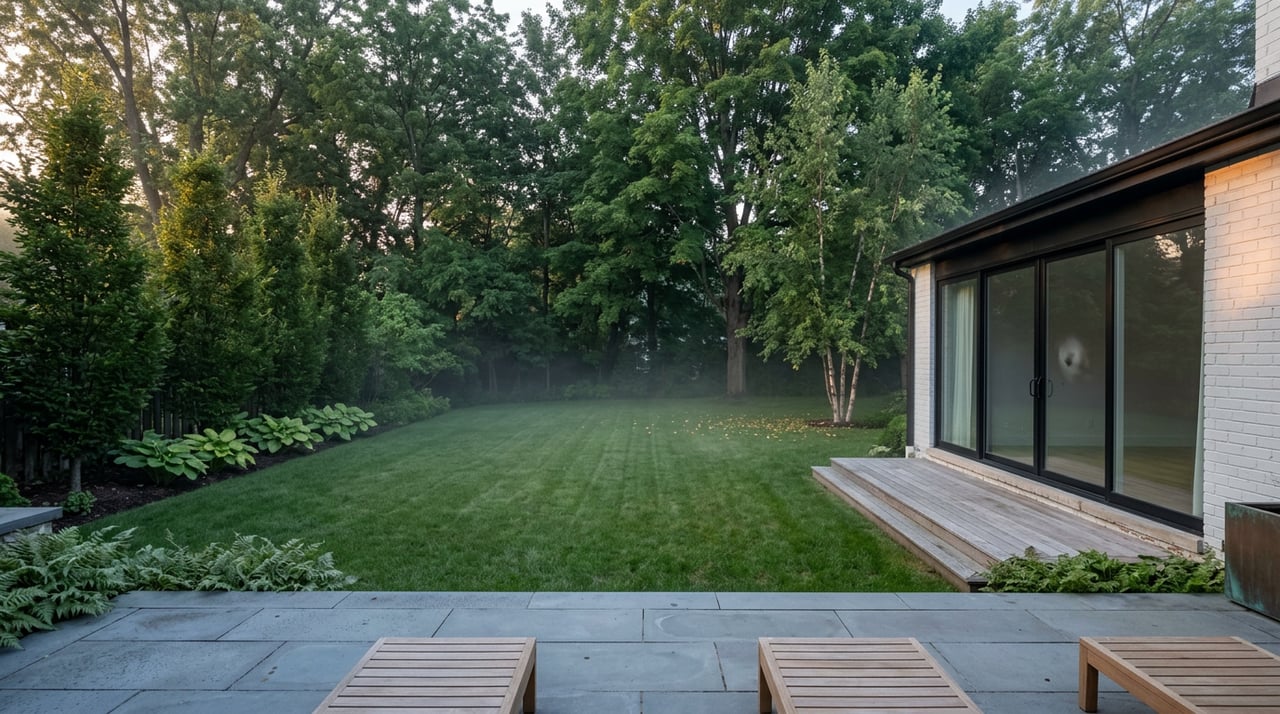
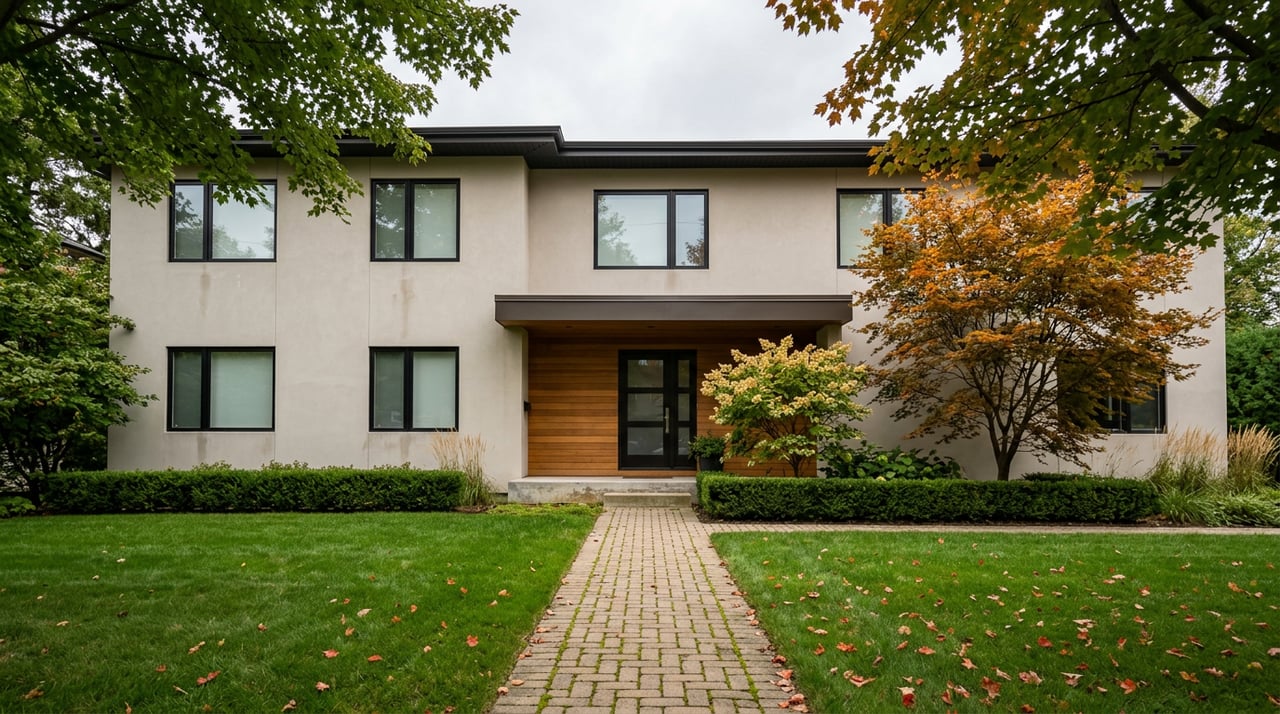
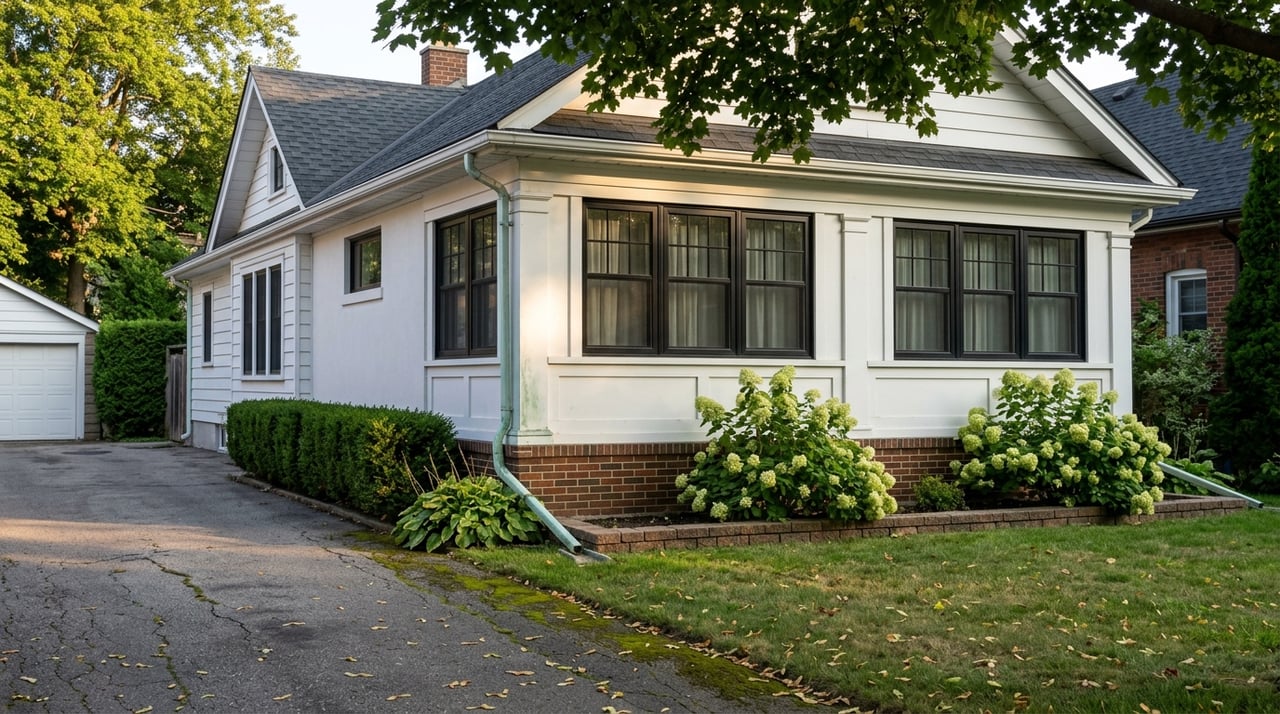
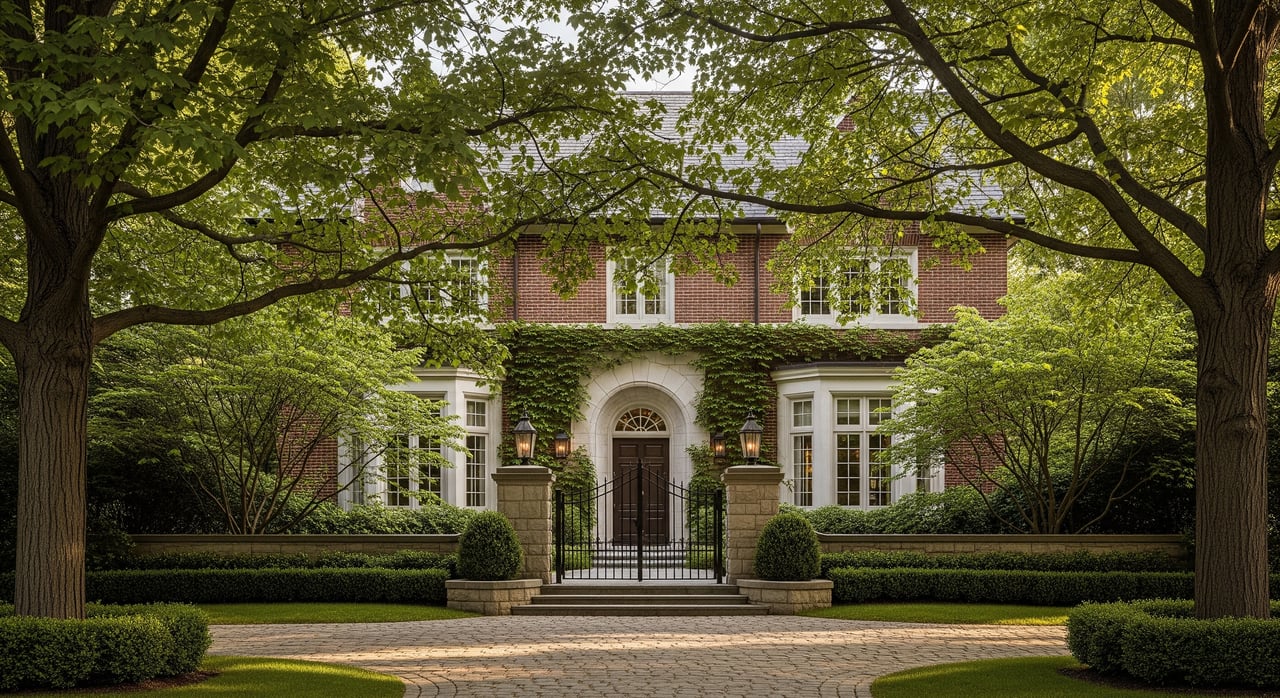
Forest Hill is one of Toronto’s most established and affluent residential neighbourhoods. You’ll see a mix of early 20th-century architecture alongside thoughtfully designed contemporary rebuilds, all set on larger-than-average lots with mature trees and landscaped front yards. The feel is calm and residential, with a strong emphasis on privacy.
Daily life revolves around two compact commercial strips referred to locally as the Upper and Lower Villages. Each is walkable, community-facing, and built around everyday convenience: cafés, bakeries, small grocers, pharmacies, personal services, and professional offices.
Homes and streetscape
Detached homes dominate here. Expect a rich architectural mix that includes Edwardian, Tudor revival, and Georgian styles, plus mid-century and newer custom builds. Most properties feature generous setbacks and lush greenery, which creates a consistent, park-like streetscape.
If you are planning updates, many homeowners modernize interiors while respecting the exterior character. Some properties may be listed or evaluated for heritage value, so it is common to consult design professionals before you start. City rules govern lot coverage, height, and permitted changes, so early planning is essential.
- If you are considering a renovation or rebuild, review the City’s process for building permits and approvals.
- For historically significant homes, check the City’s heritage property search.
Upper vs. Lower Village life
The Upper and Lower Villages function as the neighbourhood’s living rooms. They are where you grab coffee, run errands, meet a neighbour, or squeeze in an appointment between school drop-off and dinner.
- Village offerings include cafés, bakeries, boutique shops, small grocers, dry cleaners, pharmacies, medical and dental services, and personal care.
- The two nodes differ a bit in scale and tenant mix. One feels slightly more boutique-oriented while the other leans practical and family-focused. Both are designed for everyday convenience.
- For the latest merchant lists and events, consult the City’s directory of Business Improvement Areas and search for the Forest Hill Village BIA.
Parks and recreation options
Forest Hill is defined by mature trees and local green spaces. Neighborhood parks offer playgrounds, small fields, and restful lawns for casual afternoon breaks. You are also close to midtown’s larger ravine system and multi-use trails, which expands your options for running, cycling, and weekend adventures.
Beyond public parks, residents tap into a mix of community recreation programs, nearby tennis clubs, and private clubs. The overall rhythm is outdoorsy in a relaxed, residential way rather than centered on large urban squares.
Schools and childcare overview
Families choose Forest Hill for access to public schools and a concentration of private schools in and near midtown. If schools are on your checklist, plan to verify boundaries and offerings for any address you are considering.
- Public schools are managed by the Toronto District School Board and the Toronto Catholic District School Board. Catchments vary by block. Use the TDSB school locator to confirm.
- For Catholic schools, check the TCDSB’s school locator and admissions details through the board’s website.
- Several private schools operate in midtown. Because admissions, grade ranges, and locations can change, always confirm current information directly on each school’s site.
Keep school proximity in mind during your search. Many buyers ask how catchments and nearby schools may influence resale value over time.
Getting around and commutes
Transit is provided by the TTC through bus and streetcar routes that connect to subway lines. Depending on your address, you might be a short walk to a Line 1 station or an easy bus ride away. The Eglinton Crosstown LRT (Line 5) continues to shape midtown accessibility in adjacent areas, so it is worth checking current route maps and project updates when you plan your commute.
- To view service in real time, explore TTC routes and schedules.
- Many homes have private driveways or garages. On-street parking rules vary by block and are enforced by the City.
- Driving downtown ranges from a short to moderate trip depending on traffic and time of day. For many residents, transit is a competitive option.
Budget and ownership realities
Forest Hill is a premium market within Toronto, with household incomes and average sale prices well above the citywide average. Detached homes regularly command multi-million-dollar budgets, and ownership tends to be long-term. If you are aiming to buy here, plan for substantial purchase prices and ongoing property taxes tied to assessed values.
Historically, the area has shown strong long-term demand. Market cycles still matter, so timing, property condition, and presentation all influence your outcome. If you are weighing a move, consider both lifestyle fit and a realistic budget for purchase and maintenance.
Renovations, permits, and timelines
Older homes can come with ongoing maintenance needs. Mechanical systems, roofs, windows, and exterior elements may require updates over time. If you are planning a major renovation or a full rebuild, factor in design lead time, municipal approvals, possible heritage reviews, and tree protection rules that can influence timing.
- Start with the City’s pages on building permits and approvals.
- If you suspect a property has heritage significance, use the City’s heritage property search and consult qualified professionals.
Is Forest Hill a fit for you?
The neighbourhood suits buyers who want quiet, family-oriented streetscapes, strong privacy, and village-style conveniences within a short drive or quick transit ride to more extensive shopping and dining corridors. If you prefer a highly animated street life or immediate subway access right outside your door, you may find a better fit in other parts of Toronto.
Residents value municipal services typical of established residential areas. If safety is a key consideration, review up-to-date city resources and local data as part of your due diligence.
A day in the life
- Morning. Walk the kids to school, then grab a coffee and a fresh pastry in the village. Neighbours stop to chat under the canopy of mature trees.
- Midday. Run errands in a few quick stops: pharmacy, dry cleaning, a small specialty grocer for dinner ingredients. The compact strip keeps trips efficient.
- Afternoon. A meeting downtown is an easy run by transit or a timed drive. After, you detour through a nearby trail for a short jog.
- Evening. Family dinner in, or a relaxed bistro close by. A quiet stroll on tree-lined streets caps the day.
Buyer checklist for Forest Hill
Use this quick list as you refine your search and plan next steps:
- Confirm your target streets or blocks and how they align with your commute priorities.
- Map your proximity to transit connections, including bus links to Line 1 and future LRT corridors using TTC routes and schedules.
- Verify school catchments via the TDSB school locator and the TCDSB’s locator.
- Assess renovation scope and budget. Review City processes for permits and approvals and check for any heritage considerations.
- Consider long-term plans. Forest Hill ownership often spans years, so weigh both lifestyle and resale factors.
How we help in Forest Hill
If you are buying, you want quiet confidence, clear guidance, and access to the right opportunities. If you are selling, presentation and reach matter. Our team pairs deep neighbourhood knowledge with premium marketing and a concierge approach to every detail, from pre-list strategy and staging to negotiation and closing.
Whether you are evaluating the Upper or Lower Village, comparing streetscapes, or planning a renovation path before you buy, we help you see around corners. Ready to discuss your Forest Hill move? Reach out to Adam Weiner + Associates to start a tailored plan.
FAQs
What makes Forest Hill different from other midtown areas?
- Forest Hill combines large lots, mature trees, and architecturally significant homes with compact village strips for day-to-day convenience, creating a calm residential feel inside the city.
How walkable are the Upper and Lower Villages for errands?
- Both villages are designed for daily needs, with cafés, small grocers, pharmacies, and services in a compact, walkable format that suits quick errands and casual meetups.
What should I know about school options before I buy in Forest Hill?
- Public schools fall under TDSB and TCDSB; catchments vary by address, so confirm using the TDSB locator and the Catholic board’s tools, and verify private school details directly.
How do commutes from Forest Hill typically work?
- Residents use TTC buses and streetcars to connect to Line 1, with driving as a flexible option. Check TTC routes and schedules for the latest connections.
Are renovations in Forest Hill straightforward?
- Many owners renovate or rebuild with modern amenities. Expect municipal permits and possible heritage review for certain properties; start with City guidance on permits and approvals.