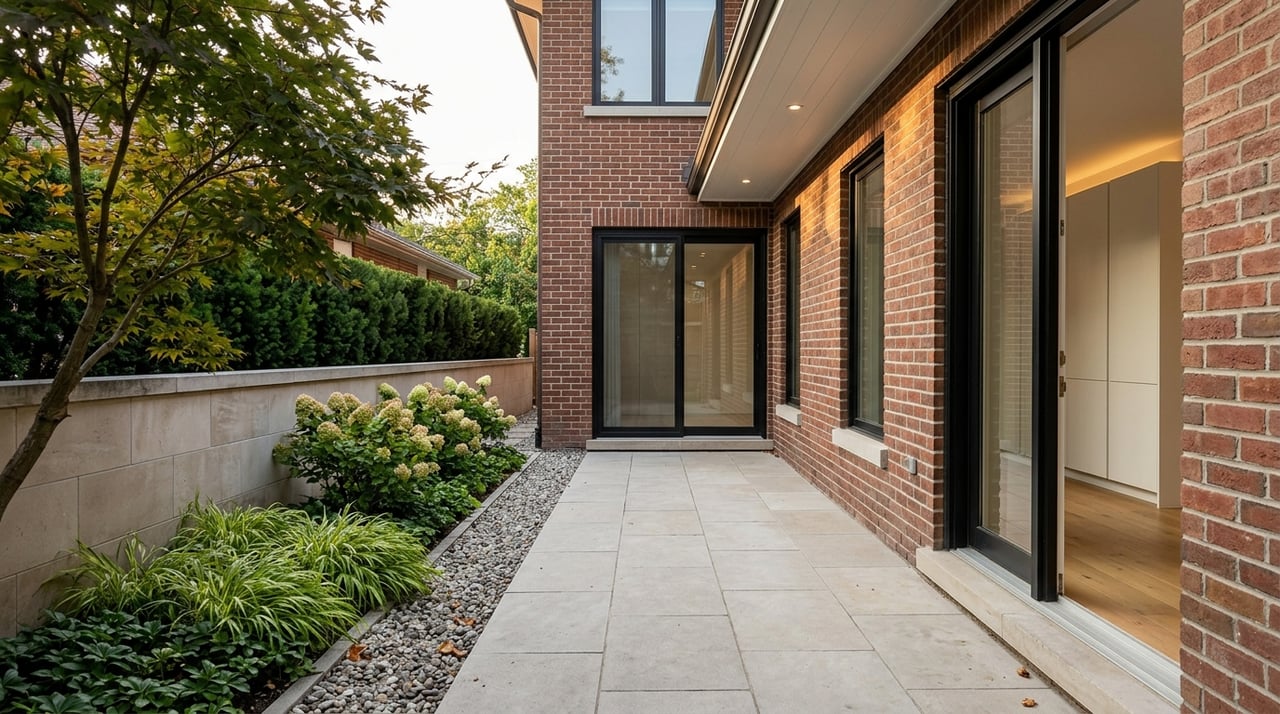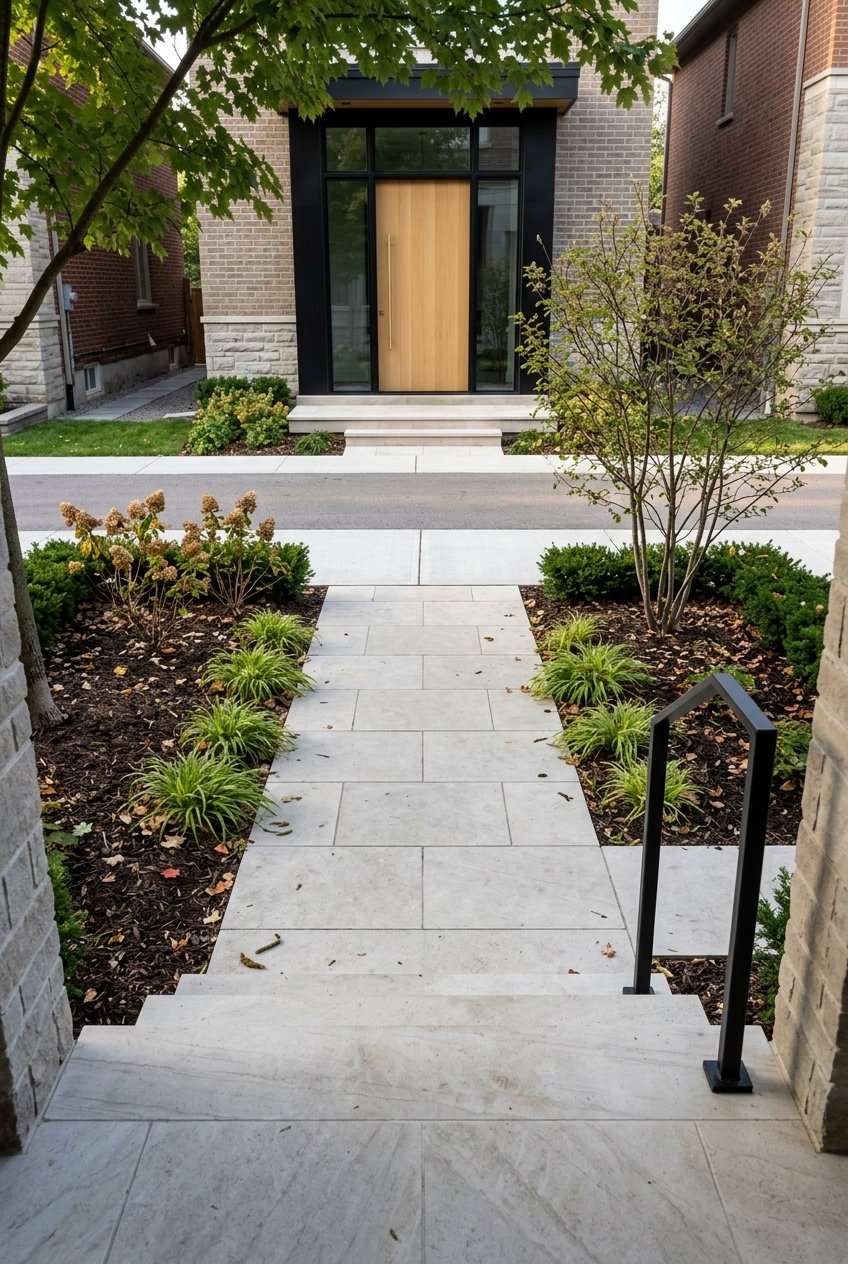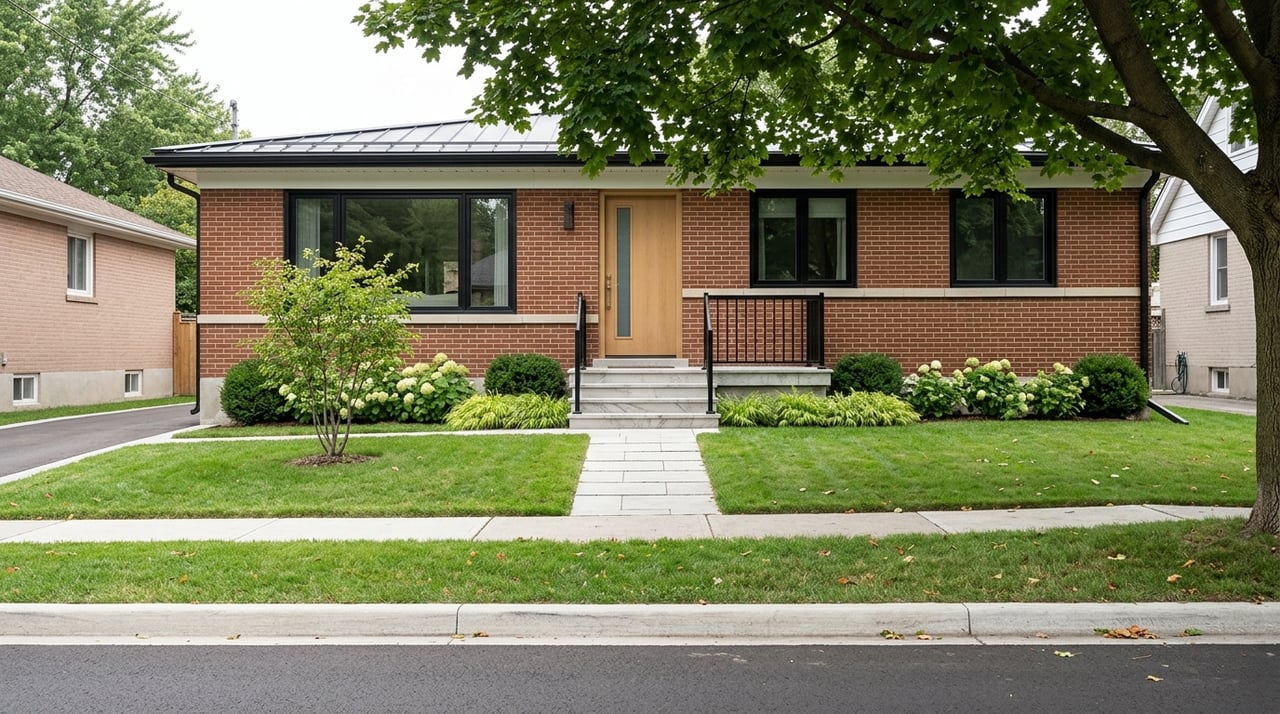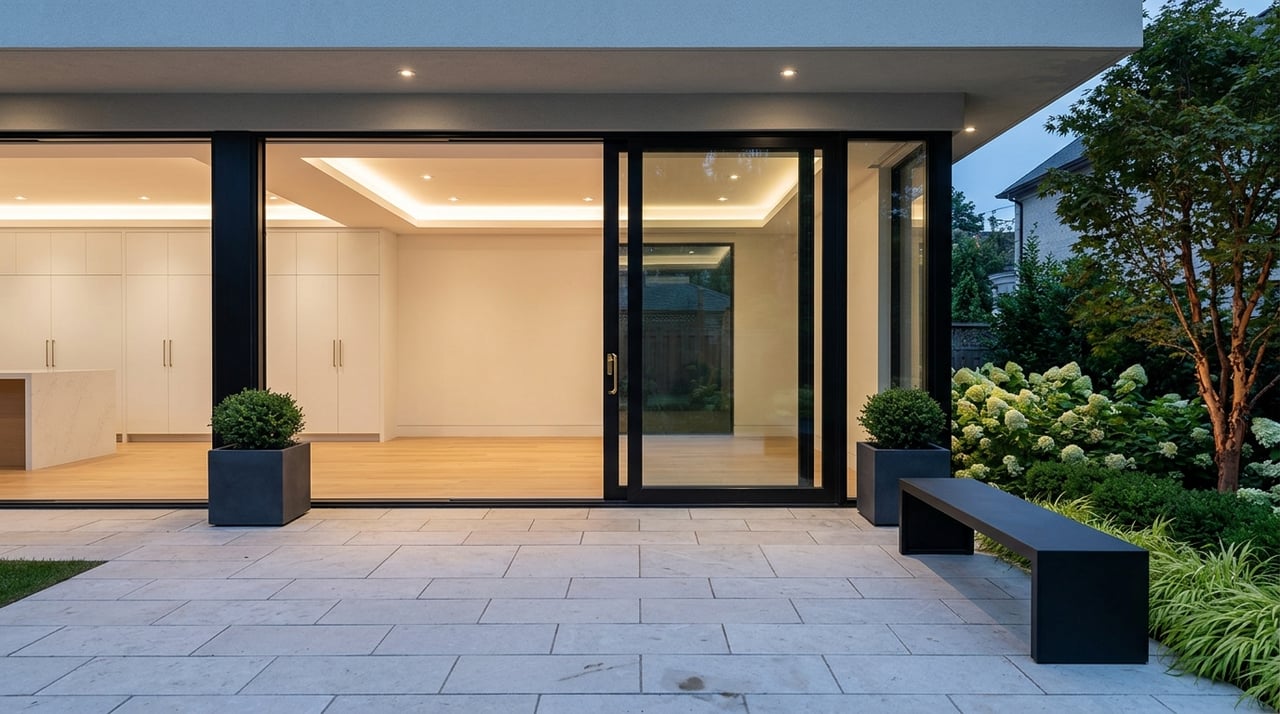
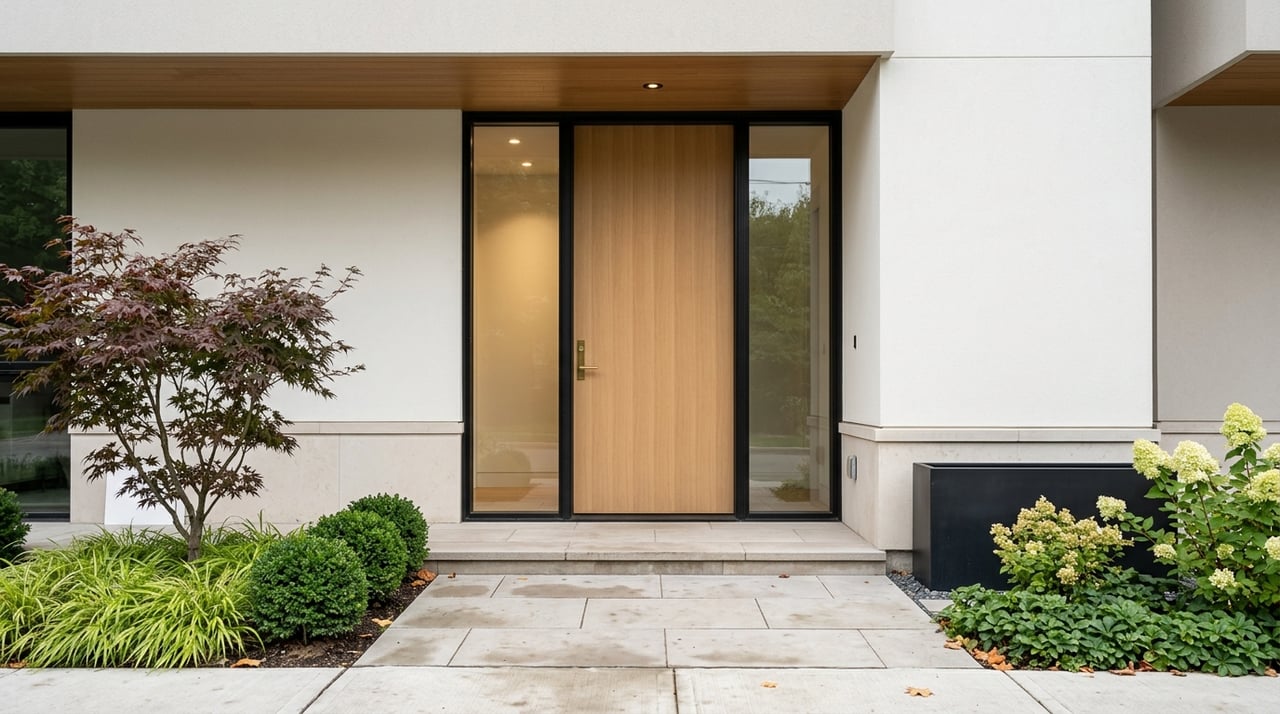
If you love Lawrence Park South, the idea of leaving it can feel harder than leaving a large house behind. You may be ready for less maintenance, fewer stairs, or a simpler daily routine, but you still want the streets, shops, parks, and familiar rhythm that make this pocket feel like home. The good news is that downsizing here can be more about rightsizing your home without giving up your lifestyle. Let’s dive in.
Why stay in Lawrence Park South
One of the biggest advantages of downsizing within Lawrence Park South is that you can often keep the routines that already work for you. The neighbourhood is bounded by Lawrence Avenue, Bayview Avenue, the Sherwood Park and Lawrence Park Ravine network, and Yonge Street, which helps define a compact, familiar area for day-to-day living. According to the City of Toronto’s Lawrence Park transportation plan page, that geography supports the idea of staying close to the same local routes and landmarks.
That matters when your goal is not just a smaller property, but a smoother next chapter. You may want to trade yard work and unused rooms for convenience, while still seeing the same parks, local businesses, and streets you know well.
Local lifestyle can stay familiar
For many homeowners, the real worry is not square footage. It is whether daily life will still feel like Lawrence Park South once you move.
The strongest case for staying local is the Yonge Street corridor. The Yonge Lawrence Village BIA is described by the City as a stretch of owner-operated shops, services, restaurants, and community events, including Village Day and streetscape improvements. If you already rely on this area for errands, coffee, dining, or appointments, downsizing nearby can help preserve that routine.
Transit also supports a stay-local move. The TTC notes that Lawrence Station is fully accessible, and Davisville Station is also accessible with elevators and bike facilities. If ease of movement is becoming a larger part of your housing decision, that added accessibility can make a smaller home in the same area even more appealing.
What downsizing looks like here
Lawrence Park South is still largely a detached-home neighbourhood, so it helps to approach the search with realistic expectations. The City’s neighbourhood profile shows that single-detached homes made up 71% of occupied dwellings, while semi-detached homes accounted for 8%, row houses 3%, duplexes 5%, apartments under five storeys 6%, and apartments in buildings of five storeys or more 4%.
In plain terms, that means you may not find a perfect one-for-one replacement on your exact block. But you can often stay close to the same social network, retail corridor, and transit access while moving into a home that asks less of you.
Condo apartments
If your main goal is the lowest-maintenance lifestyle, a condo apartment may be the clearest option. It can reduce exterior upkeep, yard work, and the day-to-day demands that often come with a larger detached property.
This path can work well if you want a lock-and-leave lifestyle, simpler living, or easier accessibility. It may also suit you if keeping your calendar free matters more than keeping extra rooms you rarely use.
Townhouses and row houses
If you still want a private entrance and a more house-like layout, a townhouse or row house can offer a middle ground. You may keep the feeling of having your own front door while reducing square footage and exterior maintenance.
This option can appeal if you are not ready for full condo living but still want to step away from the workload of a larger detached home. It is often less about giving something up and more about choosing a home that better matches how you live now.
Smaller semis or detached homes
Some homeowners want to stay in a house, just not the same size of house. A smaller semi-detached or detached home can support that goal by reducing maintenance and carrying costs while preserving a more traditional layout.
If this is your preferred path, flexibility matters. Because the neighbourhood remains weighted toward larger homes, the right fit may come down to timing, inventory, and how close you want to stay to your current micro-location.
Compare your rightsizing options
| Option | Best for | Main advantage | Main tradeoff |
|---|---|---|---|
| Condo apartment | Lowest-maintenance living | Simplifies upkeep and daily responsibilities | Less private outdoor space |
| Townhouse or row house | House-like feel with less maintenance | Front-door living with smaller scale | Inventory may be limited |
| Smaller semi or detached | Staying in a traditional house format | Keeps a familiar layout with less space to manage | May still carry meaningful upkeep |
Timing matters in a tighter market
Downsizing within the same neighbourhood is often more complex than a simple sale or purchase. You are trying to coordinate two moves in one local market, and that requires a plan.
According to TRREB’s March 2026 market release, February 2026 GTA sales were down 6.3% year over year, while new listings fell 17.7%. The MLS Home Price Index Composite was down 7.9% year over year, and the average selling price was $1,008,968, down 7.1% from February 2025.
The key takeaway is not just pricing. Because new listings fell faster than sales, market conditions tightened even as overall activity softened. For you, that can mean the buy-sell sequence needs more care, especially if you want to remain within Lawrence Park South or very close to it.
Buy first or sell first?
There is no one right answer. It depends on whether you value certainty on your sale proceeds or certainty on securing your next home.
Selling first can give you a clearer budget and reduce financial guesswork. Buying first can make sense if finding the right replacement home is your top priority, but it may create pressure if your current home has not sold yet.
In a tighter listing environment, some homeowners also consider conditional offers, longer closings, or temporary housing to create flexibility. What matters most is going in with a coordinated plan rather than making each step in isolation.
Costs to plan for before you move
A downsizing move can simplify your life, but it does not always mean your costs disappear. In a premium Toronto neighbourhood, understanding the numbers upfront is essential.
Land transfer taxes
When you buy in Toronto, you generally pay both Ontario land transfer tax and Toronto’s municipal land transfer tax. Ontario outlines the provincial tax rules on its land transfer tax guide, and Toronto sets out the municipal rates in its municipal code.
For many resale purchases, Toronto’s standard MLTT schedule starts at 0.5% on the first $55,000, then 1.0% up to $250,000, 1.5% up to $400,000, and 2.0% above that. Ontario uses the same base structure, with a 2.5% rate above $2 million only for certain land containing one or two single-family residences.
The City also passed revised graduated MLTT rates for high-value residential properties containing one or two single-family residences, effective April 1, 2026. If your replacement property falls into that category, it is worth reviewing the numbers carefully before you commit.
HST on some purchases
If your next home is newly built or substantially renovated, HST may apply, unlike on most resale homes. Ontario also notes that some new-home buyers may qualify for a rebate of up to $24,000 of the provincial portion.
If you are comparing resale and new-construction options, this is one of the biggest cost differences to understand early.
Property taxes
Smaller does not always mean inexpensive. The City of Toronto’s 2026 residential property tax rate is 0.767311%, and the bill is based on the phased-in assessed value multiplied by the approved tax rate.
That means your annual ownership costs can still be meaningful, even if your next home has fewer rooms or less land.
Tax filing after the sale
If you are selling a principal residence, do not leave the paperwork until the last minute. The CRA states that the principal residence exemption can apply to a house, condo, apartment, or similar housing unit, but the sale and designation still need to be reported on your tax return.
For many downsizers, this is easy to overlook because the focus is usually on the move itself. It is still an important part of a clean transition.
Vacant home risk
If your current property will sit empty during the move, timing matters. Toronto’s Vacant Home Tax rate is 3% of current value assessment beginning with the 2024 taxation year.
That makes long gaps between homes, delayed renovations, or extended vacancy more expensive than many owners expect. A practical transition plan can help you avoid unnecessary carrying costs.
How to downsize without compromising lifestyle
A successful move usually starts with clarity, not listings. Before you look at properties, decide what you are truly trying to preserve.
Ask yourself:
- Do you want to stay walkable to Yonge Street services?
- Is elevator access or step-free living becoming more important?
- Do you still want a private entrance?
- How much maintenance do you want to eliminate?
- Are you comfortable with condo fees if it means fewer responsibilities?
- How close do you want to stay to your current daily routes?
When you answer those questions honestly, the search becomes much easier. Instead of chasing every available property type, you can focus on the version of Lawrence Park South living that fits your next stage best.
A concierge approach helps
Downsizing in the same neighbourhood is rarely just about finding a smaller home. It is about sequencing a sale and purchase, understanding local housing options, planning for taxes and carrying costs, and protecting the lifestyle you value most.
That is where local guidance can make the process feel much more manageable. With a clear strategy, you can move thoughtfully, stay close to what you love about Lawrence Park South, and make your next home feel like a smart upgrade rather than a compromise.
If you are thinking about a stay-local move, Adam Weiner + Associates can help you build a concierge-level plan for selling and buying with confidence.
FAQs
What does downsizing within Lawrence Park South usually look like?
- It often means moving from a larger detached home into a condo apartment, townhouse, row house, or smaller semi-detached or detached home while staying close to the same local amenities and routines.
Can you keep the Lawrence Park South lifestyle in a smaller home?
- Yes, many homeowners can keep a neighbourhood-centered lifestyle because of the area’s defined boundaries, the Yonge Lawrence Village BIA, nearby ravine network, and accessible TTC stations.
Should you buy first or sell first when downsizing in Lawrence Park South?
- It depends on whether you want more certainty around your sale proceeds or more control over securing your next home, especially in a tighter listing environment.
What taxes matter when buying a smaller home in Toronto?
- You should plan for Ontario land transfer tax, Toronto municipal land transfer tax, and possibly HST if the replacement home is newly built or substantially renovated.
Does selling a principal residence still need to be reported in Canada?
- Yes, the sale and designation of a principal residence must still be reported on your tax return, even when the principal residence exemption applies.
Why is vacancy timing important during a Lawrence Park South downsizing move?
- If your old home sits empty during the transition, Toronto’s Vacant Home Tax may create added costs, so closing dates and interim plans should be considered carefully.