Thinking about selling your Tudor home in Allenby but not sure how to balance character with today’s buyer expectations? You are not alone. Buyers in this Midtown pocket love authentic 1930s details, yet they want reliable systems, smart upgrades and polished presentation. This guide shows you how to protect what makes your home special while making strategic improvements that maximize sale price and minimize friction. Let’s dive in.
Why Allenby buyers pay for character
Allenby developed mainly in the 1930s and 1940s, with a strong mix of Tudor‑Revival two‑storeys and bungalows on tree‑lined streets. City planning context identifies this Midtown, Forest Hill–adjacent area as stable and amenity‑rich, which helps sustain long‑term demand for period homes with authentic details (City of Toronto planning context).
Marketwise, February 2026 data shows moderation across the GTA. TRREB reported lower sales and a pullback in new listings, with the average selling price around $1,008,968 and the MLS HPI composite down year over year (TRREB Market Watch). For Allenby, that means your pricing should be hyperlocal. Ask for a 3–6 month CMA focused on your street and closely comparable homes rather than leaning on broad GTA averages.
Character details to spotlight
Buyers pay a premium when they can see, touch and trust a home’s authentic features. Lean into these Tudor‑Revival hallmarks and document their condition.
Exterior features
- Steep cross gables and complex rooflines
- Decorative half‑timbering over stucco
- Brick or stone bases and prominent chimneys
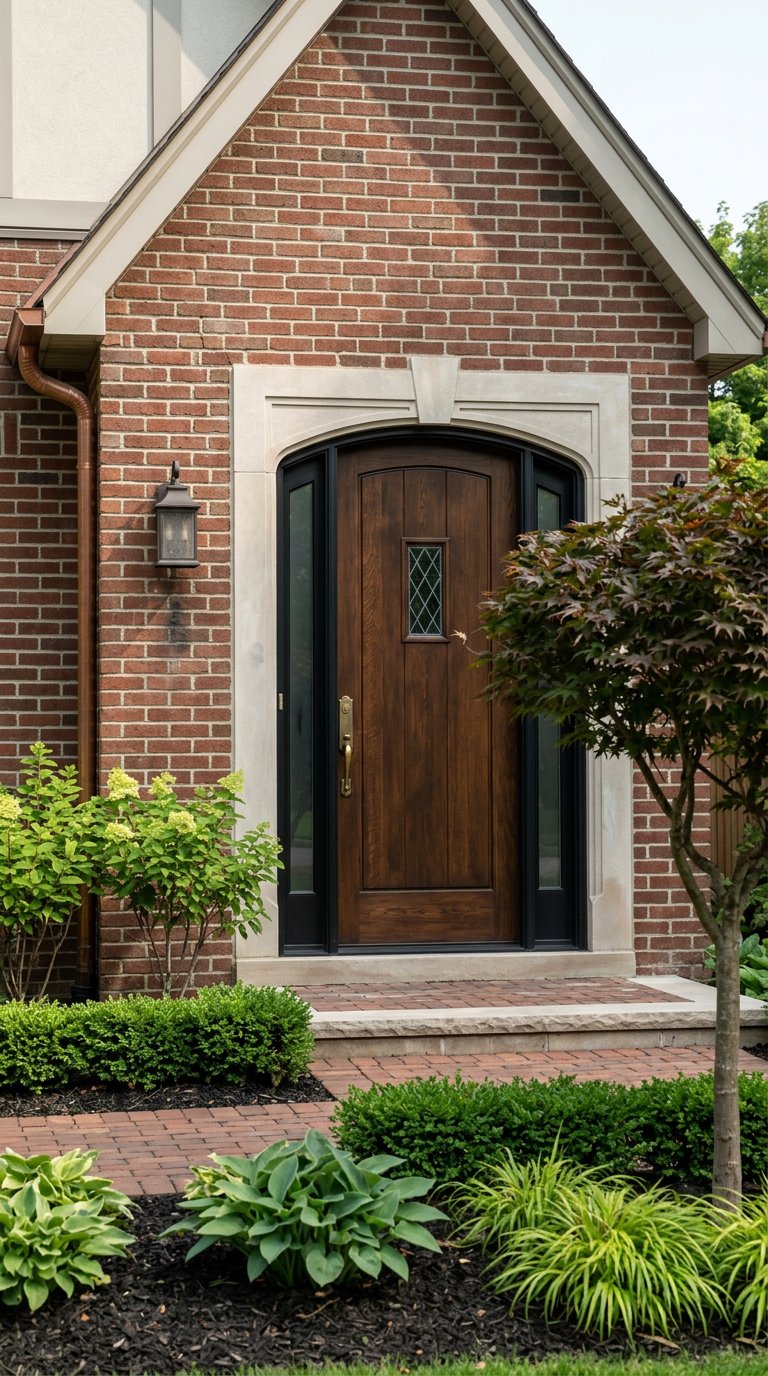
These are the curb‑appeal drivers that define street identity in Allenby. Use clear captions that call them out and explain any conservation work completed (HistoricPlaces guidance on Tudor Revival).
Entry and windows
- Tudor‑arched or recessed entries with stone or brick surrounds
- Leaded‑glass or diamond‑pane casement windows
- Original hinges, knobs and other hardware
These openings create the “wow” moments buyers remember. If elements were repaired or replaced, be transparent: “Casement windows replaced in 2019, matching original diamond pattern.” Transparency builds trust.
Interior finishes
- Hardwood floors and plaster walls
- Decorative mouldings and original staircases
- Masonry fireplaces and built‑ins or bookcases
These finishes convey craftsmanship and permanence that new builds often cannot match (HistoricPlaces character‑defining elements). Clean, repair and present them as focal points.
Lot and context
- Mature trees, gardens and private driveways
- Proximity to parks, local retail and schools
Site features can amplify value beyond the four walls. Note school zones neutrally, and advise buyers to verify boundaries and programs directly with the school boards.
How to show character in photos and copy
- Use short, descriptive subheads: “Leaded glass and oak trim,” “Gabled façade with stone chimney.”
- Pair close‑ups with wider context shots to tell a complete story.
- Document any conservation or matching replacements in captions and in your feature sheet.
Smart updates that protect value
The national conservation standard emphasizes minimal intervention and repair‑over‑replacement. That approach often aligns with what Allenby buyers want: character plus reliability (Standards and Guidelines for Historic Places).
High‑priority before listing
- Mechanical and safety: Service the furnace or boiler, hot water system and electrical panel. Provide recent service records. Unknowns lead to price deductions and tense renegotiations.
- Roof, flashing, gutters and chimney: Repair where needed. Photograph work and keep invoices handy. Roof and chimney health is a frequent buyer concern.
- Permits and documentation: Gather building permits and inspection sign‑offs for prior renovations. If your property is designated or within a Heritage Conservation District, confirm whether a heritage permit was required. When in doubt, contact the City’s Heritage Preservation Services and review an overview of the heritage permit process for designated areas (heritage permit overview).
Mid‑priority with strong ROI
- Kitchen refresh: In character homes, a high‑quality refresh often outperforms a full tear‑out. Refinish cabinetry, update hardware, install durable counters and modern appliances while preserving layout or period details. Renovation research consistently shows kitchens and baths draw buyer interest (Houzz research).
- Bathrooms: Upgrade plumbing, tile, lighting and ventilation. Keep finishes neutral and timeless.
- Energy and comfort: Target attic insulation, weatherstripping and high‑efficiency mechanicals. Market upgrades with simple comfort and cost‑saving language, and provide any available energy use estimates (Save on Energy guidance).
Lower‑priority or handle with care
- Original elements: Avoid replacing visible period pieces like leaded windows, plaster or distinctive mouldings unless they are beyond repair. If replacement is necessary, match original forms and finishes and document the rationale and methods (Standards and Guidelines).
- Open‑plan conversions: Removing walls can add appeal, but it can also erode the very character that draws buyers to Tudors. Test appetite via a CMA and consult a heritage professional before major changes. Favor reversible work.
Stage a Tudor layout for today
Thoughtful staging helps buyers visualize how to live in traditionally compartmentalized rooms, and industry reporting shows it can shorten days on market and support stronger offers (home staging outcomes).
- Open the flow with furniture: Create clear pathways and defined zones between living, dining and sunrooms rather than blocking traffic with oversized pieces.
- Lighten and neutralize: Soft, warm neutrals brighten rooms while allowing original woodwork and built‑ins to shine. Keep trim as a feature.
- Scale to the space: Choose pieces that respect room size and do not obscure fireplaces, arches or casements.
- Tell a photo story: Front façade and gables, arched entry, fireplace and inglenook, kitchen, primary bedroom and built‑ins, yard and driveway, then close‑ups of leaded glass, hardware and the banister. Aim for a coherent first 8–12 images.
- Consider virtual staging: For empty rooms, high‑quality virtual staging can reduce costs and boost online engagement. Always label images as “virtually staged.”
Price with precision using Allenby comps
Your goal is to defend value with data and documentation.
- Start tight: Use 3–6 sold comparables from the last 3–6 months within Allenby or immediate adjacencies. Match lot size, finished area, house type and renovation level. If inventory is thin, expand the timeframe but adjust for market direction.
- Adjust for quality: Appraisal frameworks adjust for quality, layout and permitted work. Provide invoices, permits and spec sheets to support adjustments and bolster buyer confidence (AIC residential appraisal approach).
- Model “as‑is” vs pre‑sale updates: Weigh project cost, carrying time, staging and marketing against the expected uplift from your CMA. Use conservative ROI assumptions and be mindful that heritage constraints may limit scope (Houzz research on reno trends).
- Be strategic on pricing bands: Choose list price thresholds intentionally to maximize search visibility. If your strategy is to accelerate interest, say so clearly. If you are testing the top of the market, commit to fast feedback loops and timely price adjustments.
Heritage, permits and incentives
If your property is individually designated or within a Heritage Conservation District, exterior and character‑defining changes may require a heritage permit, and some projects may need a Heritage Impact Assessment or a Conservation Plan prior to building permits. Early confirmation with City Heritage Preservation Services helps avoid delays. Toronto also offers grant and rebate programs for eligible conservation work on designated properties. Review eligibility early and plan timelines accordingly (heritage permit and process overview).
Your six‑week pre‑list plan
- Order a focused pre‑listing inspection covering structure, roof, mechanicals and electrical.
- Compile service records, permits and warranties. Create an inventory of original features with dates of repair or restoration.
- Tackle high‑impact basics: declutter, deep clean, neutral paint where appropriate, polish hardware, update lighting and tidy landscaping.
- Decide staging scope and book photography. Plan twilight exteriors if landscaping and lighting are strengths. Capture close‑ups of notable details.
- Request a CMA with two pricing scenarios: market‑speed versus top‑dollar with longer exposure. Consider a pre‑listing appraisal for unique properties.
- If designated or likely to be, contact Heritage Preservation Services or a heritage consultant early to confirm what work is permitted and whether permits or studies are required.
Your concierge partner in Allenby
Selling a Tudor in Allenby is about precision: know your character, document your upgrades and market the story beautifully. Our team pairs hyperlocal expertise with premium staging, photography, 3D tours and targeted exposure to deliver speed and strong results. If you are considering a sale, request a data‑backed pricing plan and a tailored preparation roadmap from Adam Weiner + Associates. We will help you protect your home’s legacy and capture its full value.
FAQs
What makes a Tudor home in Allenby valuable?
- Authentic features like half‑timbering, leaded casements, arches, fireplaces and built‑ins signal craftsmanship and are prized by buyers, especially when documented and in good condition (HistoricPlaces overview).
Which renovations raise price without harming character?
- Prioritize mechanical reliability, roof and chimney health, and permits. Consider kitchen and bath refreshes that keep layout and period details, plus targeted energy upgrades like attic insulation and efficient mechanicals.
How should I handle original windows and energy efficiency?
- If repairable, conserve original windows and add weatherstripping or storms. Where replacement is unavoidable, match the original pattern and document the work. Highlight comfort gains from insulation and mechanical upgrades (Save on Energy guidance).
How do I choose a list price in the 2026 market?
- Use a 3–6 month CMA with tightly matched Allenby comparables and adjust for renovation quality and permits. Consider GTA market direction from TRREB, but let local data lead your pricing strategy (TRREB Market Watch).
Do I need a heritage permit to make changes before listing?
- If your home is designated or inside a Heritage Conservation District, exterior or character‑defining changes likely require a heritage permit, and some projects may need additional studies. Confirm early with the City and review a process overview here (heritage permit overview).
Is staging worth it for Tudor and 1930s floor plans?
- Yes. Staging helps buyers visualize how to live in compartmentalized layouts and is linked with shorter days on market and stronger offers in many markets (home staging outcomes).