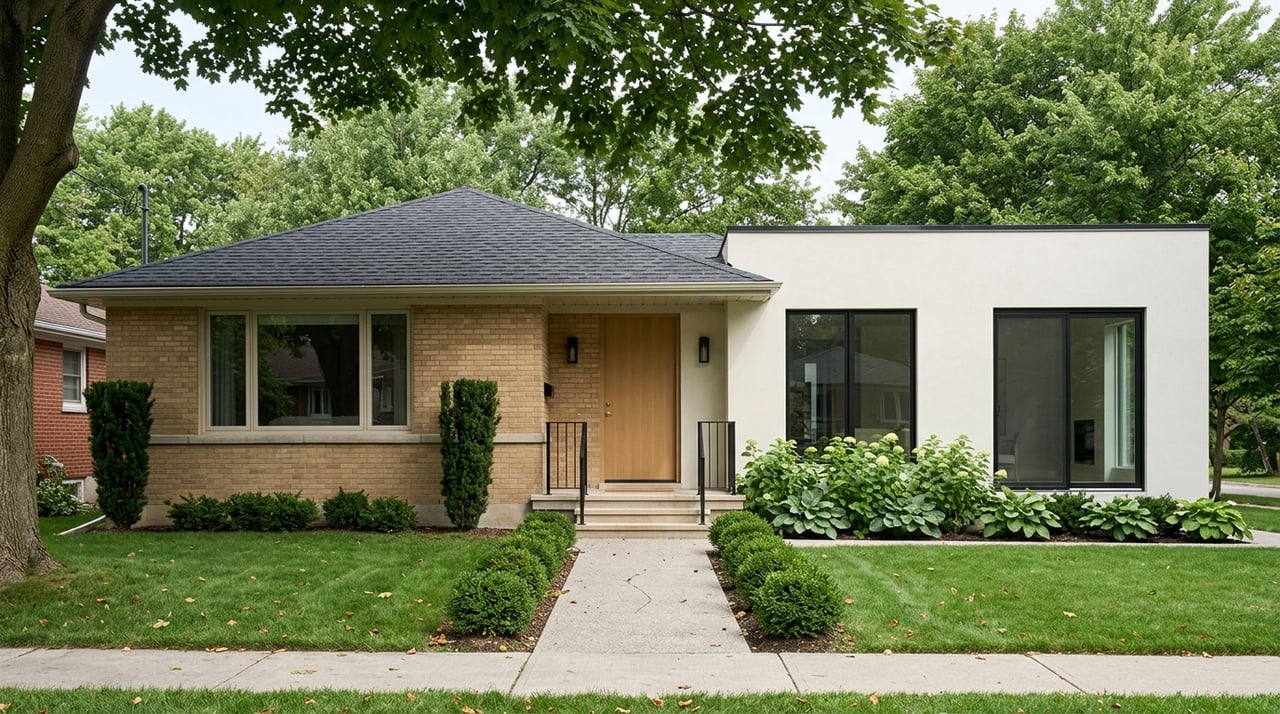
If you are weighing a Cricket Club bungalow against a newer custom home, you are really choosing between flexibility and convenience. That decision can feel especially high stakes when your next move needs to support family life now and still make sense years from today. In this guide, you’ll see how the two paths compare on price, space, timeline, and project risk in Cricket Club so you can move forward with more confidence. Let’s dive in.
Cricket Club housing stock matters
Cricket Club is a mature north Toronto neighbourhood with housing that leans older. Royal LePage notes that more than half of the local housing stock is made up of large apartment buildings and single detached homes, and about 40 percent of dwellings were built before the 1960s. Around 60 percent of units are owner-occupied.
For families, that older housing mix helps explain why the bungalow-versus-new-build question comes up so often here. You are not just comparing styles. You are comparing two very different ways to enter the neighbourhood and shape your long-term living space.
Royal LePage also describes Cricket Club as walkable, well served by transit, and convenient for groceries and schools and daycares. It also notes strong tree coverage and generally quiet streets, with more noise closer to Highway 401. Those practical details matter when you are thinking about day-to-day family routines.
Bungalows offer a flexible entry point
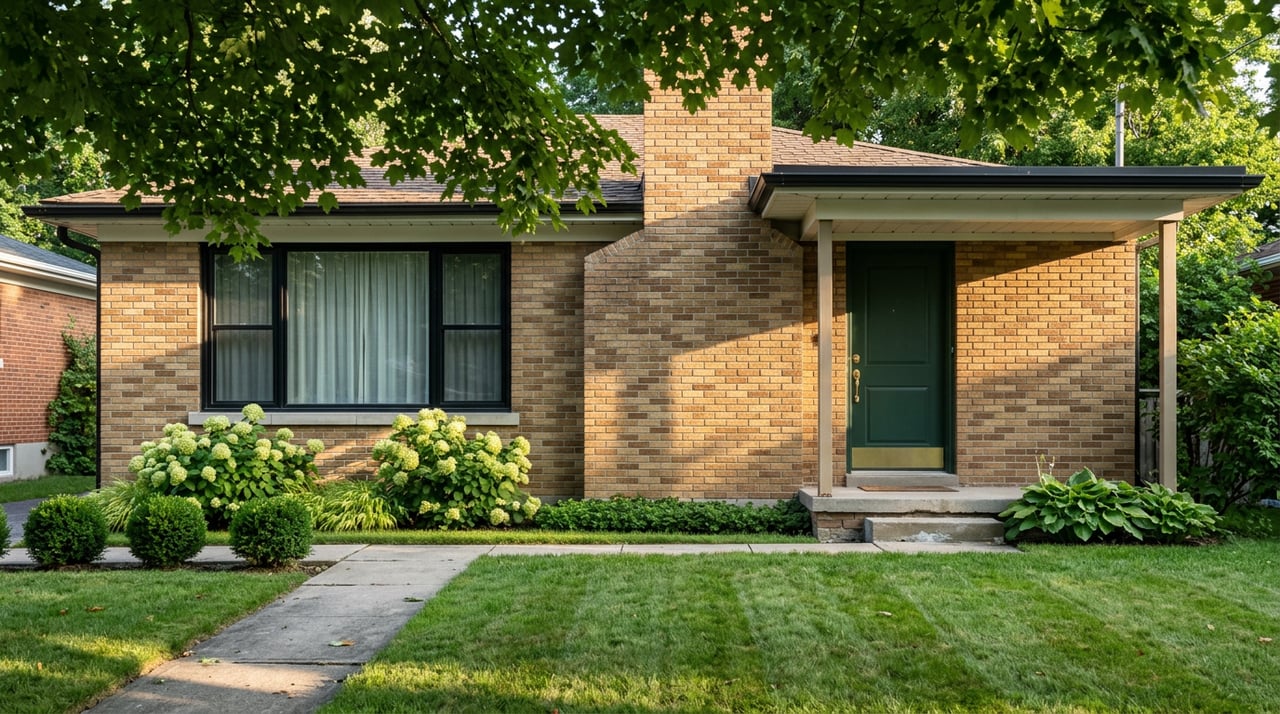
A bungalow can be the more accessible way into Cricket Club, especially if your priority is securing a lot in the neighbourhood first. In many cases, the real value is not just the house itself, but the land and what it may allow over time.
Recent listing examples show that range clearly. One recent 2+1 bedroom bungalow at 69 Haddington Avenue was listed at $1.499M on a 30 x 125 foot lot. Another bungalow example at 24 Saunders Street sits on a much larger 65 x 150 foot lot and was marketed with clear rebuild potential.
That difference is important for families. Some bungalows are best suited to light updates and a move-in-now plan, while others may support a much larger future project. In Cricket Club, lot dimensions can change the conversation very quickly.
Why families consider bungalows
For many buyers, a bungalow works because it creates options. You may be able to move in, update the home in stages, and decide later whether a second-storey addition or full rebuild makes sense.
That flexibility can be appealing if you want to spread costs over time. It can also work well if you value the neighbourhood more than having a finished, turnkey product on day one.
What the renovation path can cost
Renovation budgets in older homes can add up fast. HomeStars estimates a whole-home renovation in Canada at $100,000 to $300,000+, with Toronto renovation work often running about $150 to $250 per square foot.
HomeStars also notes that older homes may reveal outdated wiring or galvanized plumbing after walls are opened. That is one of the biggest reasons bungalow projects can become more expensive than expected.
If you are planning selective updates, typical ranges in the report include:
- Kitchen renovations of about $15,000 to $60,000
- Bathroom renovations of about $8,000 to $25,000
- Whole-home renovations that can take six months to over a year
Those numbers do not mean a bungalow is the wrong choice. They simply mean you should treat renovation as a real project, not a cosmetic afterthought.
New builds offer turnkey ease
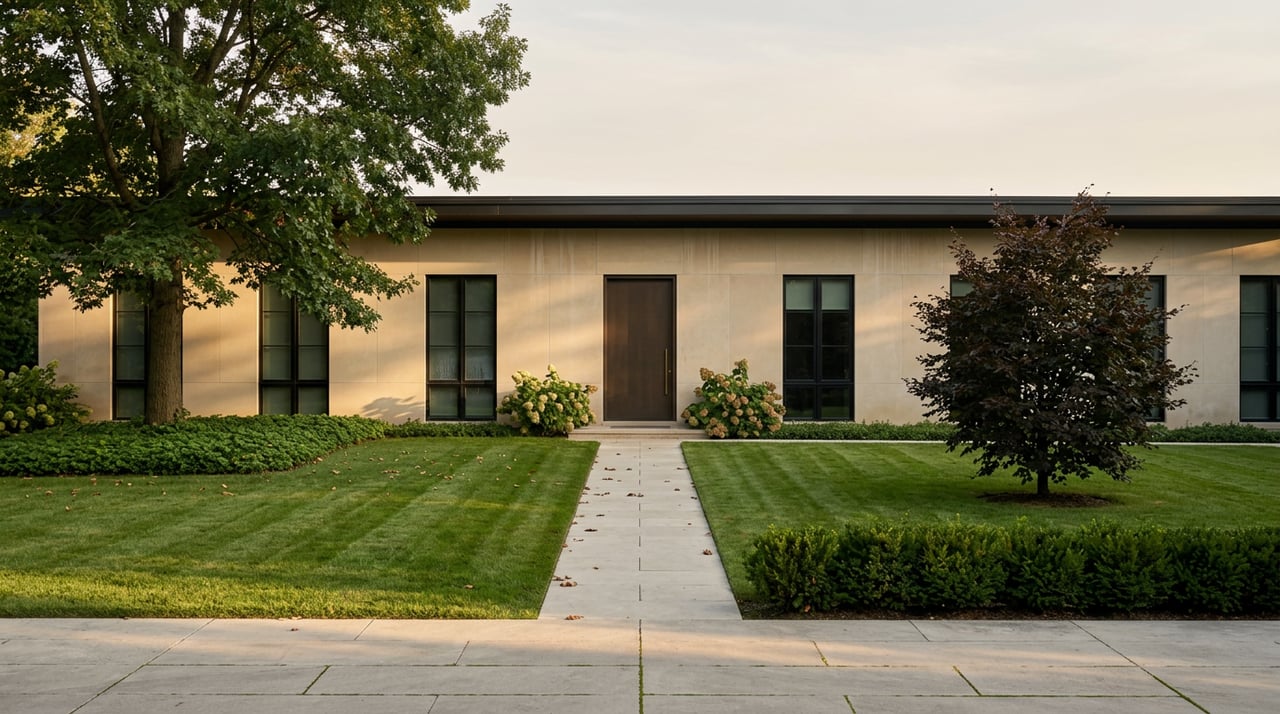
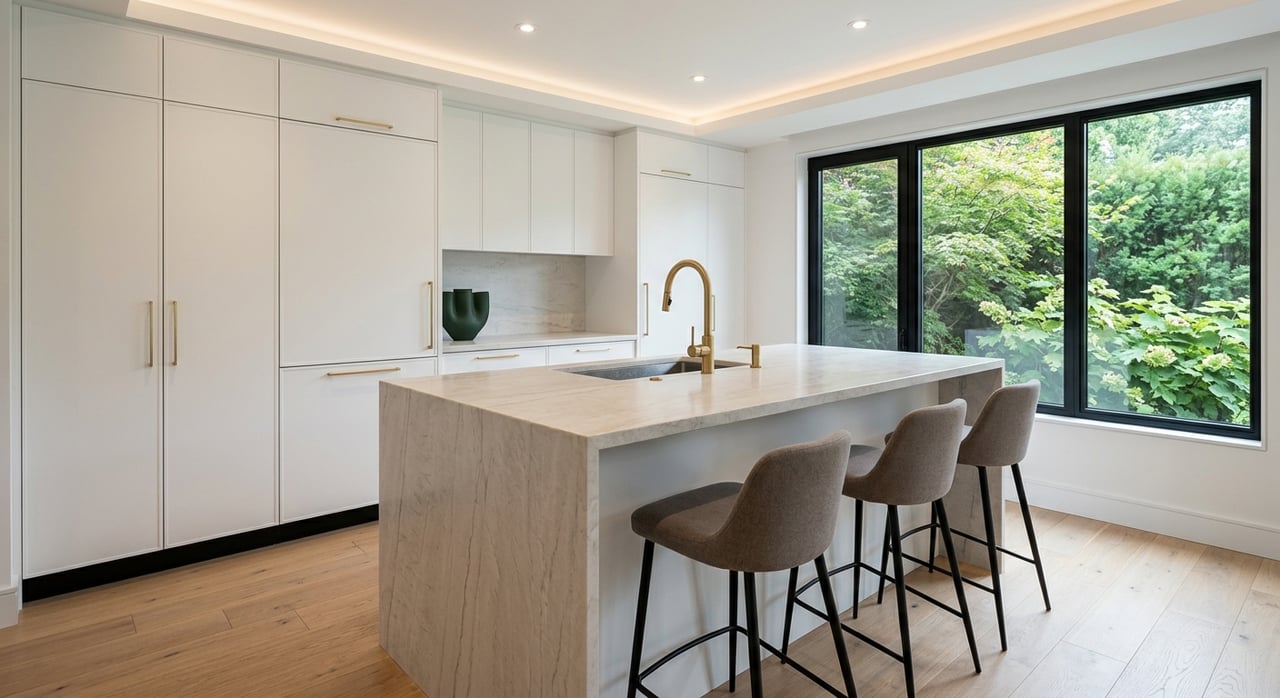
On the other end of the market, Cricket Club also has custom homes that appeal to families who want finished space, modern systems, and fewer immediate decisions. If your goal is to move once and avoid a construction phase, this path can be much cleaner.
Current custom-home inventory shows the premium attached to that convenience. A custom-built home at 154 Yonge Boulevard offers about 7,200 square feet on a 50 x 162 foot lot and is listed at $6.699M. Another custom home at 59 De Vere Gdns is described as a modern build with about 3,500 to 5,000 square feet of living area on a 50 x 125 foot lot, with an asking price around $5.1M.
For buyers comparing options, those examples frame the tradeoff well. You are paying significantly more upfront, but you are also reducing uncertainty around construction, design decisions, and surprise repair items.
Why families choose new builds
A newer custom home often suits buyers who want the fewest immediate compromises. You can focus on layout, finishes, and day-to-day function rather than planning major upgrades soon after closing.
That can be especially valuable if your schedule is already full with work, school, and family logistics. In many cases, the premium price reflects time savings and lower project stress as much as square footage.
What building new can cost
If you are thinking beyond buying and considering a full custom build, the cost picture is important. RenoAssistance says Ontario new-house construction is roughly $300 to $600 per square foot, and Toronto and the GTA are typically higher because of land prices, labour demand, and construction complexity.
Those figures are construction-only and do not include land. For families looking at bungalow lots as teardown candidates, that distinction matters because land acquisition is a major part of the overall budget.
Additions sit in the middle
Some families do not want a full teardown or a fully finished custom home. Instead, they want to buy a bungalow and expand it. In Cricket Club, that middle path can make sense when the lot works and the existing house gives you a practical starting point.
RenoAssistance’s Toronto addition guide estimates a turnkey storey addition at about $360 to $432 per square foot. A foundation-based addition can rise to about $432 to $480 per square foot.
The same source notes that a storey addition often involves two to three months of planning and about three months of construction. That may sound manageable, but it still requires time, coordination, and a clear budget buffer.
Toronto approvals can shape your timeline
In Cricket Club, family buyers should think about approvals early, especially with older homes and mature lots. The City of Toronto requires a building permit for a new building, an addition, or a material alteration.
If your plans do not fully fit existing zoning, the Committee of Adjustment handles minor variances and land severances. That means some projects may involve another layer of time and review before work begins.
Tree rules can also affect what is feasible on a lot. Toronto requires a permit to injure or remove a protected private tree that is 30 cm or more in diameter, and tree-protection review may still be required even when a project otherwise complies with zoning.
For Cricket Club buyers, that is especially relevant because the area is known for mature trees. A beautiful lot can be a major asset, but it can also influence design, approvals, and project timing.
How to compare the two paths
Before you decide, it helps to compare the options through a family lens rather than just a price lens.
| Factor | Bungalow | New Build |
|---|---|---|
| Entry price | Often lower | Much higher |
| Flexibility | High | Lower after purchase |
| Project risk | Higher | Lower |
| Timeline certainty | Less predictable | More predictable |
| Immediate livability | Varies by condition | Usually turnkey |
| Future customization | Strong potential | Already built out |
The current examples in the research report show the spread clearly. The bungalow path can begin around $1.5M, while custom homes in Cricket Club are already in roughly the $5M to $7M+ range.
Which option fits your family best
A bungalow may be the better fit if you want a lower entry point into Cricket Club and are comfortable taking on renovation or rebuild risk. It can also make sense if you care most about securing the right lot and keeping future options open.
A new build may be the better fit if you want the lowest project risk, the fewest near-term decisions, and a more turnkey move. For busy families, that simplicity can be worth the premium.
Neither path is automatically better. The right choice depends on how you weigh budget, time, tolerance for disruption, and how much customization you want to manage yourself.
In Cricket Club, that decision is rarely just about the house you see today. It is about the lifestyle you want now and the flexibility you may want later. If you want help comparing specific properties, lot potential, and the real tradeoffs behind the listing photos, Adam Weiner can help you evaluate both paths with a local, concierge-level perspective.
FAQs
What is the price difference between Cricket Club bungalows and new builds?
- Recent examples in the research report show bungalow listings starting around $1.5M, while custom homes in Cricket Club are commonly in the roughly $5M to $7M+ range.
What should families know about renovating a Cricket Club bungalow?
- Older homes can offer flexibility, but renovation costs may run about $150 to $250 per square foot in Toronto, and opening walls can reveal issues such as outdated wiring or galvanized plumbing.
What permits are needed for a Cricket Club addition or rebuild?
- The City of Toronto requires a building permit for a new building, an addition, or a material alteration, and some projects may also need Committee of Adjustment review or tree-related permits.
How long does a Cricket Club home addition usually take?
- RenoAssistance says a storey addition often involves two to three months of planning and about three months of construction, although real timelines can vary by project.
Is a new build or bungalow better for a family moving to Cricket Club?
- A new build is usually better for families who want turnkey convenience and fewer immediate decisions, while a bungalow may suit families who want a lower entry point and are open to renovation or rebuild potential.