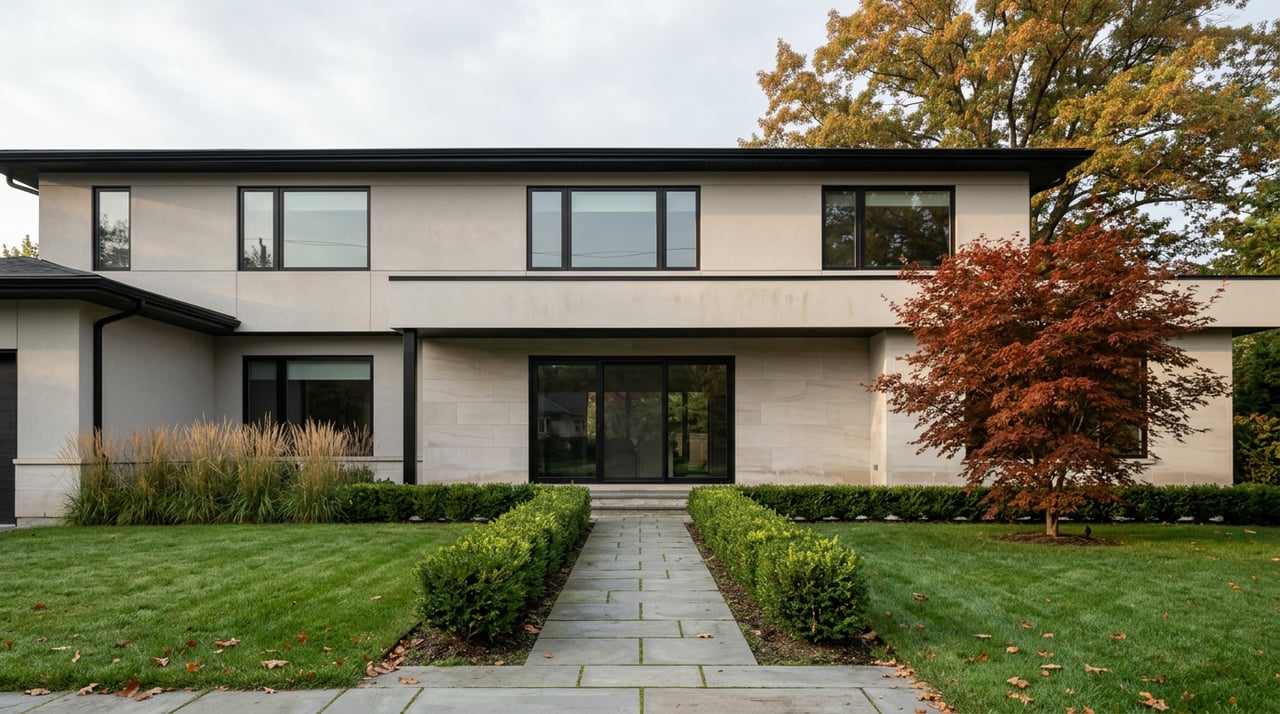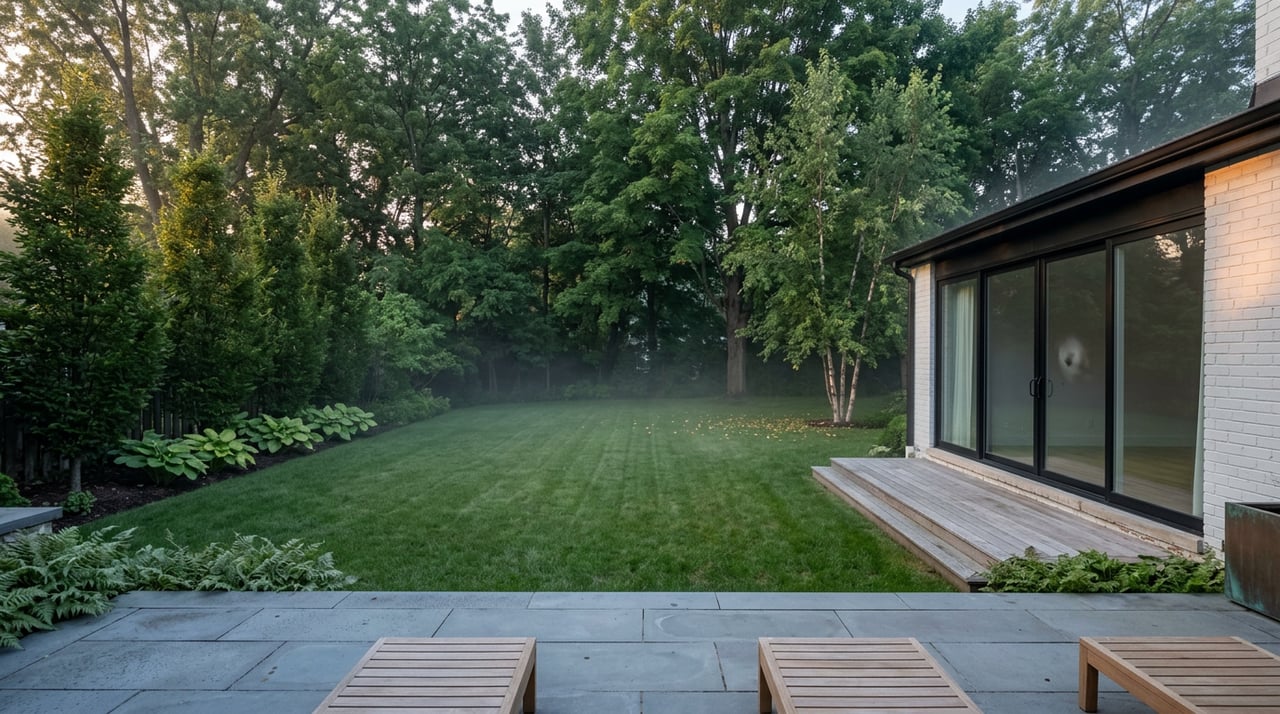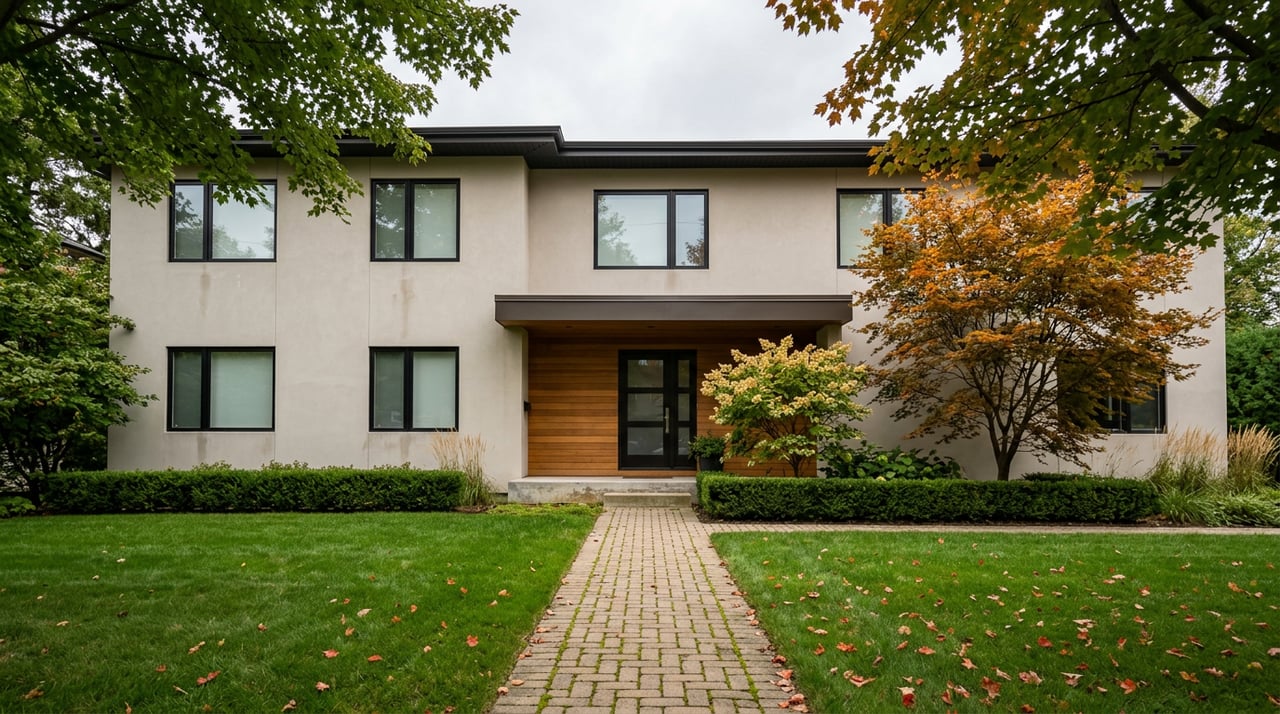
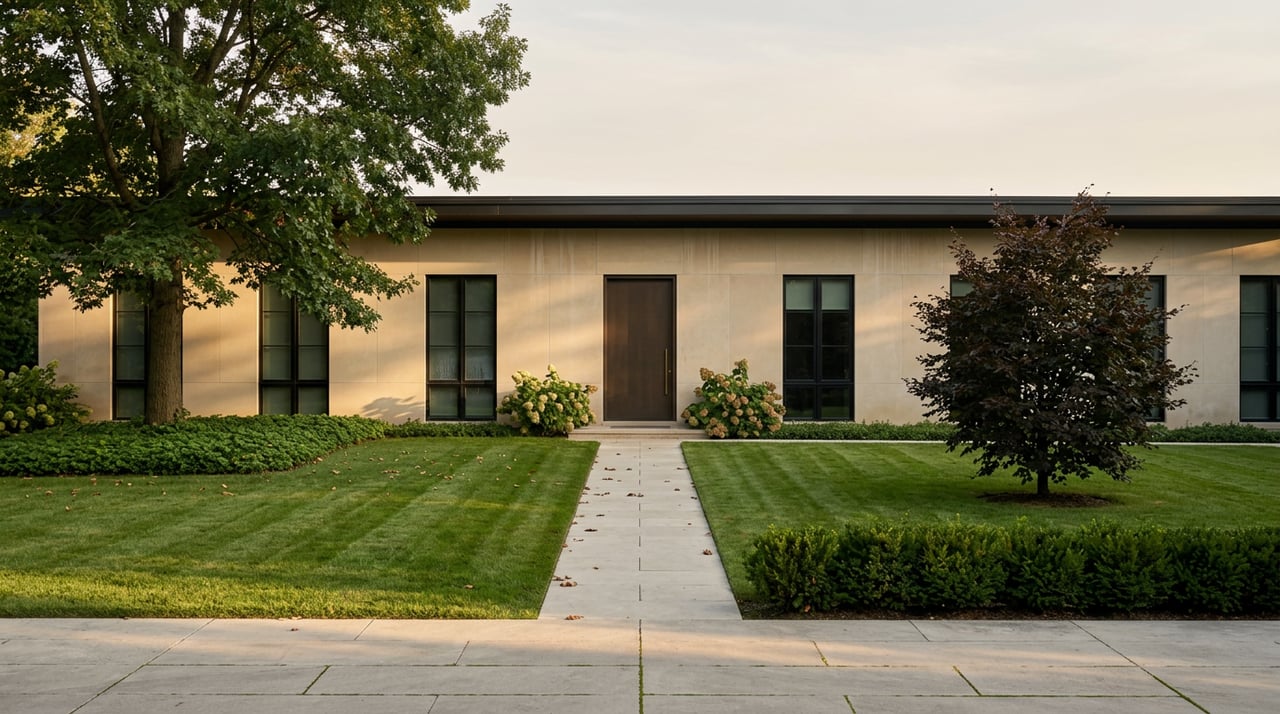
Four homes sold on the Bridle Path in the months leading into April 2026. Twenty-six were sitting on the market at the same time, waiting an average of 118 days for a buyer to say yes. Wahi's report on the neighborhood, based on that April data and published May 9, 2026, called it a Strong Buyer's Market: seven months of inventory on a street that is supposed to be the tightest, hardest-to-crack address in the city.
That number sits uneasily next to the version of the Bridle Path most people carry around. Two-acre lots. Long driveways behind gates. A roster of owners, past and present, that includes names like Drake and Conrad Black. The kind of scarcity that is supposed to hand sellers all the leverage. But scarcity of listings and strength of demand are two different things, and on the Bridle Path right now, they have come apart. That gap, not the price tag, is the story worth understanding before you buy, sell, or compare this enclave to anywhere else in the city.
The Number the Reputation Doesn't Explain
Seven months of inventory means that if no new home came to market on the Bridle Path, it would take seven months to sell through what is currently listed at the current pace of sales. Anything above five months is generally read as a buyer's market. Bridle Path was sitting well past that line as of April 2026, with a median sold price of $5,562,500 across a pool of only four transactions.
Four sales is not much of a sample, and that is precisely the point. The listing spread underneath that median ran from a condo at 1 Post Rd #204 asking $2.75 million to detached estates asking $26.5 million and $27.5 million. A street with that much range in what is technically the same market does not behave like a normal one. Comparable sales, the tool every other price negotiation in this city leans on, barely exist here in any statistically useful way.
A Market Moving Against Its Own City
The wider Greater Toronto Area was tightening through the same stretch of 2026 that left the Bridle Path this loose. In July 2026, TRREB reported 5,995 home sales across the GTA, down just 0.9 percent from July 2025, while new listings fell 17.8 percent year over year. The sales-to-new-listings ratio climbed to 41.4 percent, up from 34.6 percent a year earlier, and months of supply moved to 4.4, still below the 4.9 months recorded in July 2025. Read plainly: fewer new listings were chasing roughly the same number of buyers, and the city as a whole was edging toward sellers regaining some room to negotiate.
The Bridle Path was heading the other way. Here is the contrast, side by side, with the caveat that the two windows are a few months apart and Bridle Path's sample is small enough that one more or one fewer sale would shift the picture:
| Measure | GTA overall, July 2026 | Bridle Path, April 2026 |
|---|---|---|
| Months of supply | 4.4 | 7 |
| Average days on market | 45 (property DOM) | 118 |
| Share of active listings that sold | Sales-to-new-listings ratio of 41.4% | 4 sold against 26 active, roughly 15% |
A street this small will always show noisier numbers than a market of thousands of transactions. But the direction matters. While the broader GTA was tightening, the Bridle Path was sitting on inventory and watching it age.
Why So Few Comparables Exist
Part of the answer is that the Bridle Path is not really one market. Peter Torkan, who has sold and managed properties in the enclave for more than two decades, points to Park Lane Circle, High Point Road, and Bayview Ridge as the three streets that carry the deepest premiums, all three backing onto ravine, with south-facing exposure and mature tree cover treated as the top of the hierarchy. Two recent sales he cites, 100 Bayview Ridge at $15.8 million and 1 Suncrest Drive at $9.98 million, sit nearly $6 million apart despite both counting as "Bridle Path sales" in any aggregate statistic.
The buyer pool driving those numbers is not local in the way it is for most Toronto neighborhoods. Torkan describes his recent buyers as coming from Hong Kong, Beijing, Dubai, London, and the Middle East, which changes how a listing needs to be marketed and how long a seller should expect to wait for the right match to surface. A thin pool of qualified buyers, spread across time zones, is not going to move at the pace of a neighborhood with hundreds of annual sales.
The Land Is Sometimes the Whole Deal
The other complication is that the house and the lot are not always priced as one thing. Many of the Bridle Path's original homes date to the 1950s and 1960s, built on lots that run two acres and up. Torkan's advice to buyers is blunt: assess teardown value alongside livability, because on several of these properties the land underneath is worth more than the structure sitting on it.
That changes what a listing price is actually telling you. An $8 million asking price on an original-era home might reflect the land, the setback, and the ravine adjacency almost entirely, with the house itself contributing very little to the number. A buyer comparing two similarly priced listings on paper could be looking at fundamentally different propositions: one a livable estate, the other a site waiting for its next owner to start over. Sellers who understand which category their property falls into can price and market accordingly. Sellers who do not risk sitting in that 118-day average while buyers figure it out for them.
The Address That's Quietly Rerouting Demand
There is a second thread worth pulling on, because it may be part of what is keeping detached inventory sitting so long. For the first time in over 20 years, a new residential building is going up on the Bridle Path itself. 2 Post Road, at the corner of Bayview Avenue and Post Road, is a five-storey, 62-residence building designed by architect Richard Wengle in a Beaux-Arts style, developed by North Drive Investments Inc. Suites range from roughly 1,346 to 3,579 square feet, priced between $2.5 million and $18 million, with occupancy set for summer 2028 and the project already close to half pre-sold.
The building's amenity list reads like an attempt to replicate estate life without the estate itself. ConstructConnect's coverage of the project lists valet service, a private dining room with a catering kitchen, a fitness facility, a pickleball court, and a golf simulator among the building's features. Barry Cohen, president of Cohen Homes and Estates and part of the sales team on the project, has described the Bridle Path itself as always standing for "a celebration of success."
That framing matters for anyone reading the neighborhood's detached-home numbers. A downsizer who might once have stayed in a five-bedroom estate simply to keep the address now has an alternative that keeps the address and sheds the maintenance. If even a portion of that pent-up demand is flowing into 2 Post Road instead of into the resale detached market, it helps explain why so few of the Bridle Path's estate listings are finding buyers even as the address itself loses none of its cachet.
What This Means If You're Buying or Selling
For buyers, the current numbers argue for patience and specificity. Seven months of inventory means there is no reason to rush a decision on a property that has not been vetted for its land value, its street, and its ravine access. Park Lane Circle, High Point Road, and Bayview Ridge carry the premiums for a reason, and a property off those streets should be priced accordingly.
For sellers, a 118-day average is a signal to sharpen presentation and pricing discipline rather than wait out the market. In a pool this small, the properties that sell are the ones priced to reflect exactly what they are: a livable estate, a teardown opportunity, or something in between. Buyers in this segment are sophisticated enough to spot the difference, and pricing as though every Bridle Path listing is interchangeable is the fastest way to end up as one of the 26 still waiting.
A Short FAQ
Does seven months of inventory mean Bridle Path prices are falling? Not necessarily. Four sales is too small a sample to call a trend, and the median sold price of $5,562,500 as of April 2026 sits well within the neighborhood's historical range. What has shifted is negotiating leverage, not necessarily value.
How do I know if I'm looking at a house or a land deal? Age and lot are the first clues. Original 1950s and 1960s homes on two-acre-plus lots, particularly those backing onto ravine, are the properties most likely to be priced primarily for their land. A local appraisal that separates land value from structure value is worth commissioning before making an offer.
Does 2 Post Road count as buying on the Bridle Path? It sits directly on the enclave, at Bayview Avenue and Post Road, and it is the first new residential building there in over two decades. For buyers who want the address without the acreage and upkeep, it is functionally a new category within the same market.
If you are weighing a purchase or a sale in this segment, the numbers reward a second opinion before a first offer. Adam Weiner + Associates works this market street by street, comp by comp, and can walk you through what a specific Bridle Path listing is actually pricing before you commit to it. Request a concierge consultation to start that conversation.