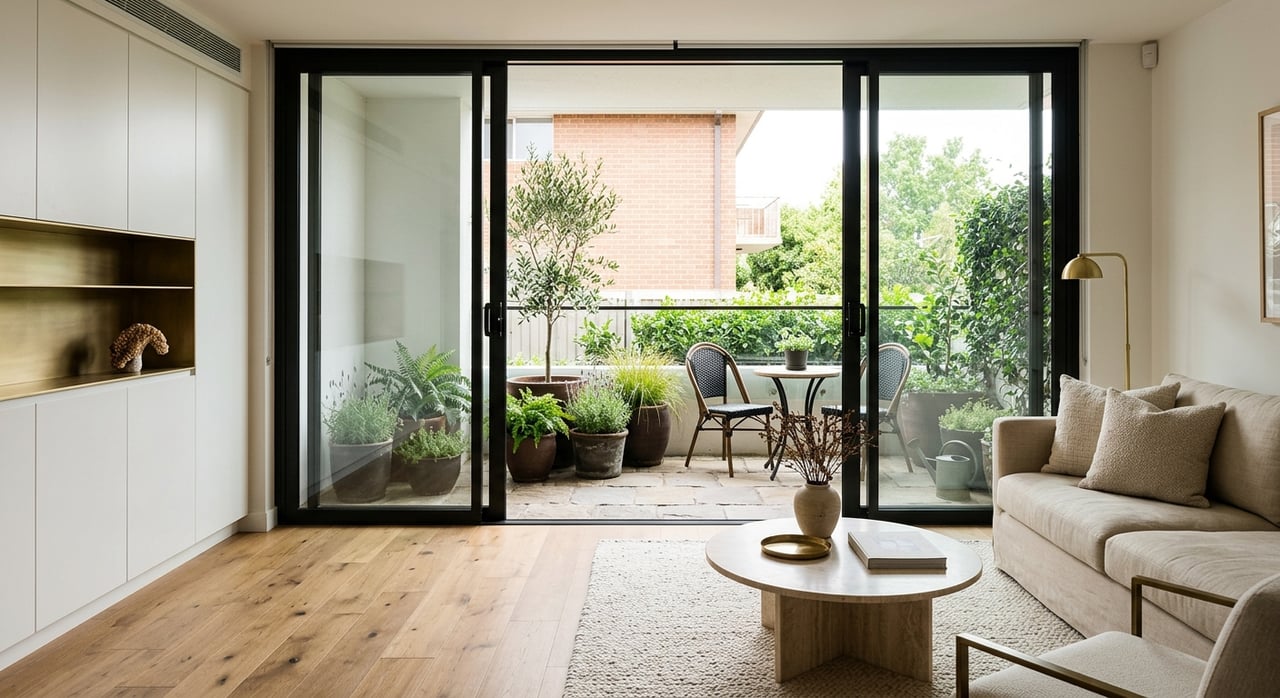
If you are weighing a condo against a freehold home in Forest Hill, you are really choosing between two very different ways to live and own real estate. One offers convenience, shared upkeep, and often a lower entry price. The other offers more space, privacy, and control, but usually at a much higher cost and with more hands-on responsibility. This guide will help you compare the tradeoffs clearly so you can focus on what fits your lifestyle, budget, and long-term plans. Let’s dive in.
Forest Hill Market Snapshot
Forest Hill South is a small, high-value market where a handful of sales can shift the numbers quickly. According to TRREB’s Q4 2025 community report, the area recorded 22 sales, $55.9 million in dollar volume, a $2.54 million average price, a $1.479 million median price, 61 active listings, an 89% average sale-to-list ratio, and 61 days on market.
That low transaction count matters. In a market like Forest Hill, one or two large luxury sales can lift the average in a way that does not always reflect what a typical condo or entry-level home is trading for.
Current condo inventory also shows a broad range. A recent Condos.ca snapshot showed 18 active condo listings averaging about $1.4 million with roughly 60 days on market.
Forest Hill Price Ranges
In practical terms, Forest Hill gives you several price bands to consider. Based on the examples in the research, you can find condos under $1 million, boutique condo suites in roughly the $1 million to $1.7 million range, freehold row homes starting around $1.9 million, and detached homes that move well into the multi-million-dollar category.
Recent condo examples illustrate the lower and middle range. Unit 1A at 1733 Bathurst sold for $728,000 with monthly maintenance fees of $877.43, while units at 350 Lonsdale and 447 Walmer sold between about $880,000 and $1.25 million with monthly fees over $2,100 in some cases.
At the high end, some condo-townhouse options trade more like houses. Recent sales at Lower Village Gate reached $2.93 million and $3.318 million, while still carrying monthly fees in the approximate $1,900 to $2,200 range.
Freehold options step up from there. A freehold-style attached row townhouse at 772 Avenue Road sold for $1.91 million, while detached examples included a home on Spadina Road listed at $2.95 million and a Dunvegan Road sale reported at $11.9 million.
What Condo Ownership Means
In Ontario, condo ownership comes with monthly common expenses. According to the Condominium Authority of Ontario, those fees help cover common elements, reserve fund contributions, cleaning, building maintenance, and management.
That means you are paying into a shared system for day-to-day operations and for major repair or replacement of common elements over time. For many buyers, that creates more predictability than owning a house where major repairs can arrive without much warning.
In Forest Hill, this tradeoff is especially visible because much of the condo stock is older and amenity-rich. Buildings such as 350 Lonsdale Road and 447 Walmer Road offer features like concierge service, indoor pools, sauna facilities, rooftop space, and fitness amenities.
Some buildings also include major utilities within the fees. At Lonsdale House, current fees include cable TV, air conditioning, heat, hydro, building insurance, parking, and water, which can materially affect your monthly carrying costs compared with a freehold home.
Forest Hill Condo Examples
Forest Hill condos are not all the same. Older buildings often offer larger suites, more inclusive fee structures, and a full-service living experience, while newer buildings may appeal to buyers seeking a more turnkey, design-forward option.
For example, 425 Walmer Road has just 17 suites across 11 stories and offers a boutique setup with features such as a rooftop terrace, private elevator, and library. That gives you a very different ownership experience from a larger traditional apartment-style building.
At the newer end, Forest Hill Private Residences at 2 Forest Hill Road was built in 2025 and includes amenities such as a gym, outdoor patio, pool, sauna, and yoga studio. Current asking prices there range from about $1.24 million to $2.999 million.
This is why “condo” in Forest Hill can mean very different things. You might be looking at an efficient apartment, a boutique luxury suite, or a condo-townhouse that competes directly with freehold alternatives on price and lifestyle.
What Freehold Ownership Means
Freehold ownership in Ontario comes with a different structure. Ontario guidance describes house ownership as carrying ongoing responsibilities such as maintenance, property taxes, utilities, insurance, and major repairs or renovations like roof or HVAC replacement.
In simple terms, a freehold home gives you more control, but it also gives you more direct responsibility. There is no condo corporation managing the building envelope, reserve fund, or shared spaces.
That can be a major advantage if you want autonomy over the property. It can also mean less predictability when a large repair comes due.
Forest Hill Freehold Appeal
Forest Hill freehold homes tend to attract buyers who prioritize space, privacy, parking, and flexibility. The examples in the research make that clear.
The townhouse at 772 Avenue Road offered 4+1 bedrooms, 4 bathrooms, a private backyard, and direct access to a park and the Beltline. A detached home at 603 Spadina Road featured 4 bedrooms, a 50-foot frontage, and 4 parking spaces.
At the upper end, 228 Dunvegan Road represented a very different scale of ownership, with 5+1 bedrooms, 9 bathrooms, 8 parking spaces, and about 9,000 square feet of living space. That kind of home is not just about shelter. It is about land, privacy, and long-term flexibility.
For many buyers, that is the core draw of freehold in Forest Hill. You are often paying more upfront, but you are also buying more control over the property itself.
Monthly Costs Compared
The clearest financial difference between condos and freehold homes is how costs are structured month to month. Condo owners pay monthly fees for shared maintenance and reserve fund planning. Freehold owners do not pay those fees, but they are responsible for upkeep directly.
In the Forest Hill examples, condo fees ranged from under $900 per month to well over $2,000 per month. Some of those fees also included items like heat, hydro, air conditioning, parking, and water, which can soften the impact when you compare total carrying costs.
With a freehold home, the monthly bill may look cleaner on paper because there is no maintenance fee. But you still need to plan for property taxes, insurance, utilities, and larger repair items that can arrive at irregular times.
That is why comparing only purchase price can be misleading. In Forest Hill, carrying cost and upkeep style often matter just as much as the sticker price.
Lifestyle in Forest Hill
Forest Hill offers strong lifestyle fundamentals regardless of which ownership type you choose. Transit access is one of the area’s biggest anchors.
City planning documents note that the Forest Hill Village area around Spadina and Montclair is about 350 metres from St. Clair West Station and also has access to the 512 streetcar corridor. TTC resources also connect the area to both Forest Hill Station on Eglinton and St. Clair West Station on Line 1.
Green space is another major factor. Cedarvale Park is a key local amenity, and the broader ravine and trail network adds to the neighbourhood’s outdoor appeal.
Because of that, many buyers in Forest Hill are not simply choosing between a condo and a house. They are choosing between walk-to-transit convenience and a lower-maintenance setup on one hand, or more private indoor and outdoor space on the other.
Who a Condo Fits Best
A condo is often the better fit if you value ease and convenience first. In Forest Hill, that can include downsizers who want to stay in the neighbourhood without managing a full property, or busy professionals who prefer a lock-and-leave home.
Elevator access, concierge services, shared amenities, and less day-to-day maintenance can make condo ownership feel simpler. That is especially true if you would rather write one monthly cheque than coordinate repairs, seasonal upkeep, and long-term capital work yourself.
Forest Hill’s condo options also let some buyers enter the neighbourhood at a lower price point than freehold ownership. For the right buyer, that can be the difference between buying in the area now or waiting much longer.
Who a Freehold Fits Best
A freehold home is usually better suited to buyers who want space, land, and autonomy. If you want more interior square footage, outdoor space, larger parking capacity, or freedom to renovate without condo governance, freehold often wins.
This can appeal to move-up buyers planning for a longer ownership horizon. It can also suit buyers who place a high value on privacy and are comfortable taking on more direct maintenance responsibility.
In Forest Hill, freehold is generally a higher-cost path, but it often delivers a very different living experience. For some buyers, that tradeoff is exactly the point.
How to Make the Right Choice
The best way to compare condos and freehold homes in Forest Hill is to start with your lifestyle, then test that against your budget and carrying-cost comfort level. Price matters, but it should not be the only filter.
Ask yourself a few practical questions:
- Do you want a lower-maintenance home with shared amenities?
- Are you comfortable paying monthly condo fees if some utilities and services are included?
- Do you need more interior space, private outdoor space, or multiple parking spots?
- Would you rather share maintenance costs, or manage the property yourself?
- Are you buying for convenience now, or flexibility over a longer horizon?
Because Forest Hill is a low-volume market, details matter. Suite layout, building age, amenity mix, lot size, frontage, parking, and overall condition can be more important than headline average prices.
A condo may be the smarter choice if convenience is your priority. A freehold home may be the stronger fit if space, privacy, and control lead your decision.
If you are comparing Forest Hill condos and freehold homes and want a clear, tailored strategy, Adam Weiner can help you evaluate the tradeoffs with a concierge-level approach grounded in local market knowledge.
FAQs
What is the main difference between condos and freehold homes in Forest Hill?
- Condos typically involve monthly fees that cover shared maintenance and reserve fund contributions, while freehold homes do not have condo fees but come with direct responsibility for repairs, upkeep, taxes, utilities, and insurance.
What price range should you expect for Forest Hill condos?
- Based on the research examples, Forest Hill condos can range from under $1 million to nearly $3 million, depending on the building, suite size, amenities, and whether the property is a traditional suite or condo-townhouse.
What price range should you expect for Forest Hill freehold homes?
- Research examples show freehold-style townhomes around the $1.9 million range, with detached homes reaching from the high $2 millions into the multi-million-dollar luxury segment.
Are condo fees in Forest Hill always expensive?
- Condo fees vary widely. In the examples provided, they ranged from under $900 per month to more than $2,300 per month, and some included items such as heat, hydro, air conditioning, parking, and water.
Is Forest Hill a good fit if you want transit access?
- Forest Hill offers access to St. Clair West Station, Forest Hill Station, and the 512 streetcar corridor, making transit a meaningful part of the neighbourhood’s appeal.
How should you choose between a Forest Hill condo and a Forest Hill freehold home?
- Start with your preferred lifestyle and carrying-cost comfort level. Condos usually fit buyers who want convenience and shared upkeep, while freehold homes usually fit buyers who want more space, privacy, and control.